
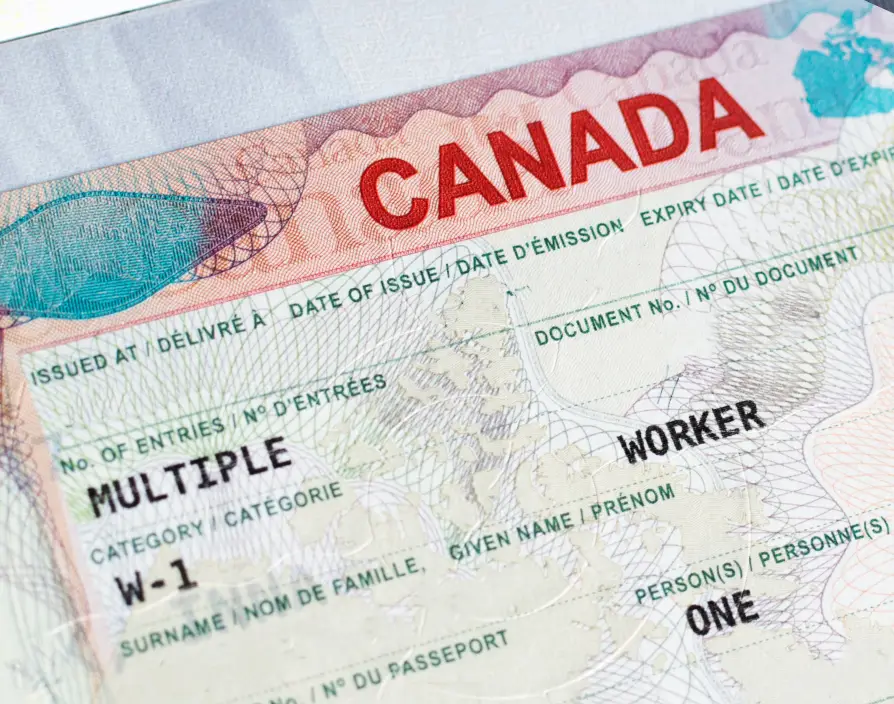
Franchise systems across Canada are contending with a significantly constrained Temporary Foreign Worker (TFW) Program as Ottawa withdraws pandemic-era leniencies. Effective May 1, 2024, Labour Market Impact Assessments (LMIAs) are valid for just six months, down from the previous twelve-month term, while the permissible cap for low-wage TFWs has fallen from 30% to 20%[i][ii]. As unemployment climbed—reaching around 6.4% in June 2024, Ottawa intensified its rollback. By September 26, the processing of low-wage LMIAs ceased in census metropolitan areas with unemployment above 6%, except in critical sectors like agriculture, food processing, construction and healthcare. At that time, the cap dropped further to 10% for most franchises, with a one-year limit on low-wage TFW employment.[iii]
These regulatory shifts now put pressure on franchise models that depend heavily on entry-level foreign labour. With LMIA validity cut in half, timing becomes critical: franchisees must align recruitment, training, and permit processing within a compressed six-month window. Network-wide consistency in hiring cycles may no longer provide sufficient buffer for turnover and seasonal peaks. Additionally, TFW intake freezes in high-unemployment regions further complicate expansion plans for brands operating across provinces, making advance strategic planning essential.
This tighter framework also comes with heightened compliance risk. Employment and Social Development Canada (ESDC) ramped up inspections, conducting 2,122 employer audits in the last fiscal year, and imposing $2.1 million in penalties—an increase of about 36% over the prior year.[iv] From April to September 2024 alone, 649 inspections uncovered 11% non-compliance, resulting in 20 bans and $2.1 million in administrative monetary penalties.[v] Infractions ranged from underpayment and unsafe conditions to record-keeping failures, with sanctions spanning six-figure fines and multi-year program exclusions.[vi]
For franchise systems, operational and compliance coordination is now mission-critical. First, HR teams must synchronize staffing calendars with the six-month LMIA validity period, ensuring permits are applied for promptly and renewals stay on track. Second, franchises should invest in developing domestic pipelines through partnerships with apprenticeship programs, post-secondary institutions offering co-op placements, and targeted wage incentives to reduce dependency on TFWs.
Furthermore, franchises must bolster internal compliance processes. Employers are required to maintain core documents employment contracts, payroll records, work schedules, and LMIA correspondence. Structuring regular internal audit checks and familiarizing staff with onsite inspection protocols can identify compliance gaps early. Employers should also familiarize themselves with ESDC’s confidential tip line and reporting tools, which last year triggered 57% of inspections, demonstrating the active risk of third-party complaints.[vii]
Lastly, HR documentation must explicitly reflect current regulatory requirements. Franchisees should ensure work agreements are aligned with LMIA conditions stating wages, hours, and duties in English or French, and clearly communicating TFWs’ rights under IRPR, including safe workplaces and a prohibition on recruitment fees. Manuals and training must stay current with evolving wage thresholds particularly for high-wage streams where a 20% premium above provincial median rates now applies as of November 2024.[viii]
As Canada pivots back to pre-pandemic TFW norms, franchise brands must recalibrate their approaches. Success hinges on tactical recruitment, disciplined compliance, and thorough documentation. Franchisees and franchisors that anticipate timing constraints, build domestic staffing channels, and maintain rigorous record-keeping will be best positioned to absorb the shocks of regulatory change and maintain smooth operations without overreliance on temporary permits.
Always consult a lawyer and accountant familiar with Ontario franchise law before finalizing any transaction. This article is for informational purposes only and does not constitute legal advice.
[i] https://immigrationnewscanada.ca/canada-to-stop-lmias-in-low-wage-stream
[ii] https://kpmg.com/xx/en/our-insights/gms-flash-alert/flash-alert-2024-091.html
[iii] https://www.canada.ca/en/employment-social-development/news/2024/08/minister-boissonnault-reducing-the-number-of-temporary-foreign-workers-in-canada.html
[iv] https://www.canada.ca/en/employment-social-development/news/2024/06/government-of-canada-continues-to-take-action-to-protect-temporary-foreign-workers-non-compliant-employer-penalties-increased-by-36.html
[v] https://www.lexpert.ca/news/litigation-law/penalties-double-as-federal-government-cracks-down-on-temporary-foreign-worker-program-misuse/390825
[vi] https://immigration.ca/canada-doubles-penalties-for-employers-abusing-the-temporary-foreign-worker-program
[vii] https://www.canada.ca/en/employment-social-development/news/2024/06/temporary-foreign-worker-program-compliance-regime.html
[viii] https://immigrationnewscanada.ca/canada-temporary-foreign-worker-program-petition