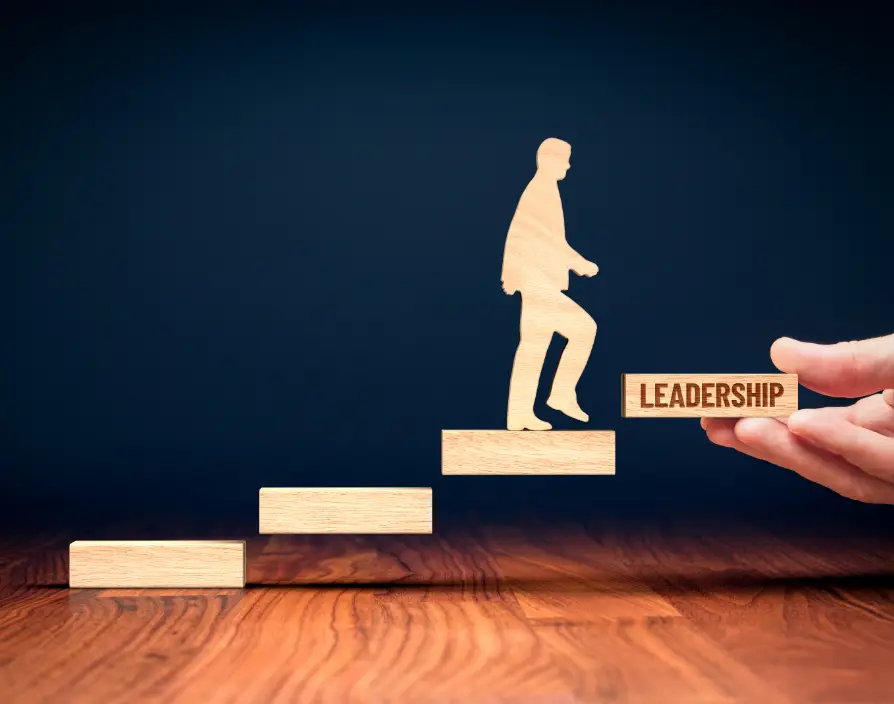
In every sector of society—business, government, education, healthcare, faith-based organizations, and families—leadership plays a central and irreplaceable role. That’s why leadership is not just an important profession; it is the most important profession.
Leadership shapes the future
At its core, leadership is about envisioning a better future and guiding people toward it. Leaders make decisions that shape destinies—not only for themselves but for the people, teams, and communities they serve. Whether it’s a CEO directing corporate strategy, a principal guiding a school, or a parent steering a family, leadership sets the tone and charts the course. Without clear and principled leadership, even the most well-intentioned plans can falter.
Leaders develop people
Unlike many professions that focus on tasks, tools, or technology, leadership is uniquely people-centered. The best leaders see potential in others and are committed to nurturing it. They mentor, coach, and challenge those around them to grow. In this way, leaders become multipliers: not only do they perform, but they raise up others to lead and succeed. No profession has as much direct impact on human development.
Leadership transcends industries
While most careers are industry-specific, leadership is universal. Great leaders are needed in every field—from medicine to media, from engineering to education. A strong leader can adapt across disciplines because leadership is about influence, integrity, and impact. The skillset required—communication, emotional intelligence, strategic thinking, and decision-making—is valuable everywhere and at every level.
Crisis reveals the value of leadership
In times of crisis, we don’t look for more technicians—we look for leaders. Whether it’s during a global pandemic, an economic downturn, or a natural disaster, people turn to those who can provide clarity, stability, and direction. Leadership is the profession that rises to the occasion when everything else is at risk. It is the steady hand in chaos, the calm in the storm.
Leadership builds culture
Culture doesn’t happen by accident—it is cultivated by leadership. The values an organization or community lives by, the atmosphere it fosters, and the legacy it leaves are all shaped by its leaders. Toxic leadership creates fear and dysfunction. Purposeful, values-driven leadership inspires excellence, collaboration, and trust. No other profession has the same power to mold culture so profoundly.
Leadership is the force behind every movement
Every major social, civil, or spiritual movement throughout history has had leadership at its core. From the civil rights movement to corporate innovation, from educational reform to faith-based revivals, progress has always depended on leaders who saw what could be and rallied others to believe and act. Leadership is the force that makes change not only possible but sustainable.
Conclusion: Leadership as a calling
Leadership is not just a job—it is a calling. It demands character, sacrifice, and service. It requires a deep commitment to others and a willingness to lead by example. While other professions produce things, leadership produces people who change things. That’s why leadership is the most important profession—it is the profession that empowers all others to thrive.
Whether you lead a team, a classroom, a company, or a family, never underestimate the weight of your role. The world doesn’t just need more leaders—it needs better ones. And the better we lead, the better our future becomes.