In this environment, product alone is no longer enough to differentiate a brand. Quality food is expected. Efficient operations are table stakes. What increasingly separates high-performing franchise systems from the rest is something less tangible, yet far more powerful: a consistently delivered guest experience.
For franchise systems, that presents a challenge. Experience is often treated as a brand ideal rather than an operational discipline. It’s spoken about in vision statements and training manuals, but execution varies widely from one location to the next. That inconsistency creates friction for guests and unpredictability for franchisees. The brands outperforming in today’s market are the ones that have closed that gap. They’ve moved beyond positioning experience as a promise and instead built systems that make it repeatable.
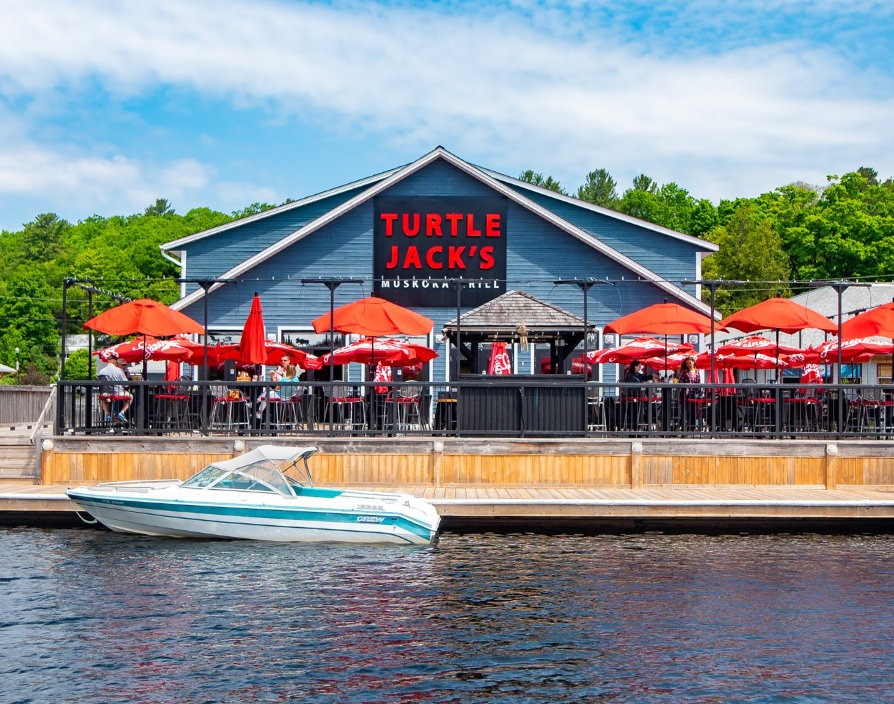
This is the space where Turtle Jack’s has intentionally focused its model. At its core, Turtle Jack’s is built around a simple idea: creating a place where guests can slow down, connect, and feel genuinely taken care of. But what makes the brand distinctive is how that idea has been translated into day-to-day operations. Rather than relying on individual interpretation, the guest experience is clearly defined, structured, and reinforced across the system. That shows up in how teams are trained, how service flows are designed, and how in-restaurant touchpoints are executed. From the moment a guest is greeted to the pace at which a meal unfolds, there is a clear expectation of what “great” looks like. The goal is not to script hospitality, but to create a consistent framework that allows teams to deliver it naturally, every time.
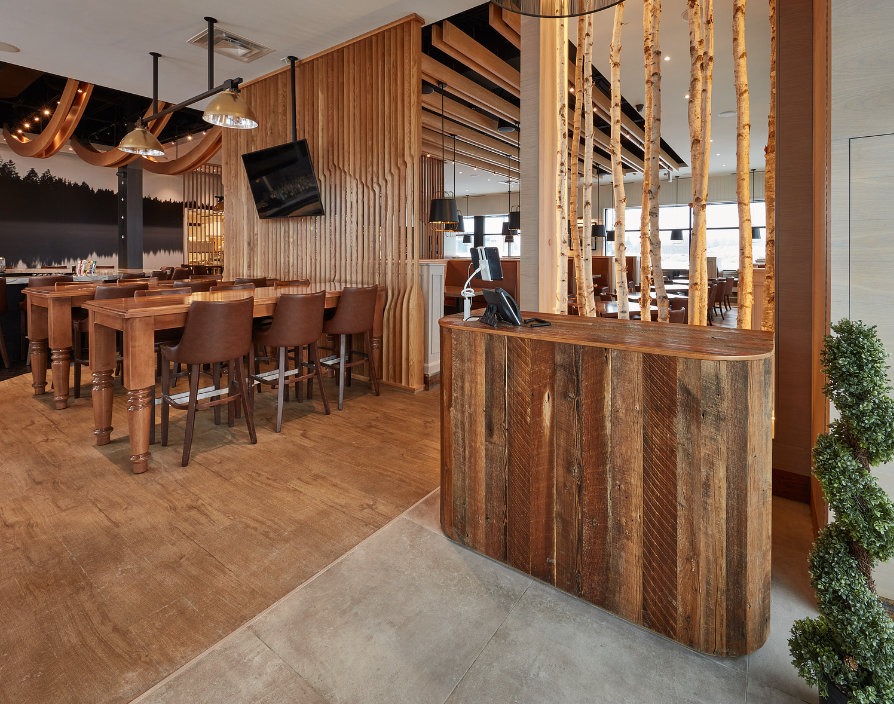
This operational clarity has a direct impact on performance. When guests know what to expect, and consistently receive it, they return. That repeat behaviour is one of the most valuable drivers in the business. It reduces reliance on constant acquisition, builds stronger local loyalty, and creates a more predictable revenue base for franchisees. In a category where volatility can be high, that level of consistency becomes a competitive advantage.
The connection between experience and outcomes is not theoretical. It is reflected in measurable indicators across the system. Turtle Jack’s locations maintained an average Google rating of 4.7 stars in 2025, signalling a high level of guest satisfaction across markets. Gift card sales have shown strong year-on-year growth, reinforcing the brand’s role in social occasions and repeat visits. Internally, initiatives such as chef and bar team competitions are used to drive engagement, elevate standards, and reinforce pride in execution. Recognition programs like Store of the Year further highlight a culture built around operational excellence and accountability. Importantly, these are not isolated initiatives. They are part of a broader system designed to align team culture, guest experience, and business performance. For franchisees, that alignment matters.
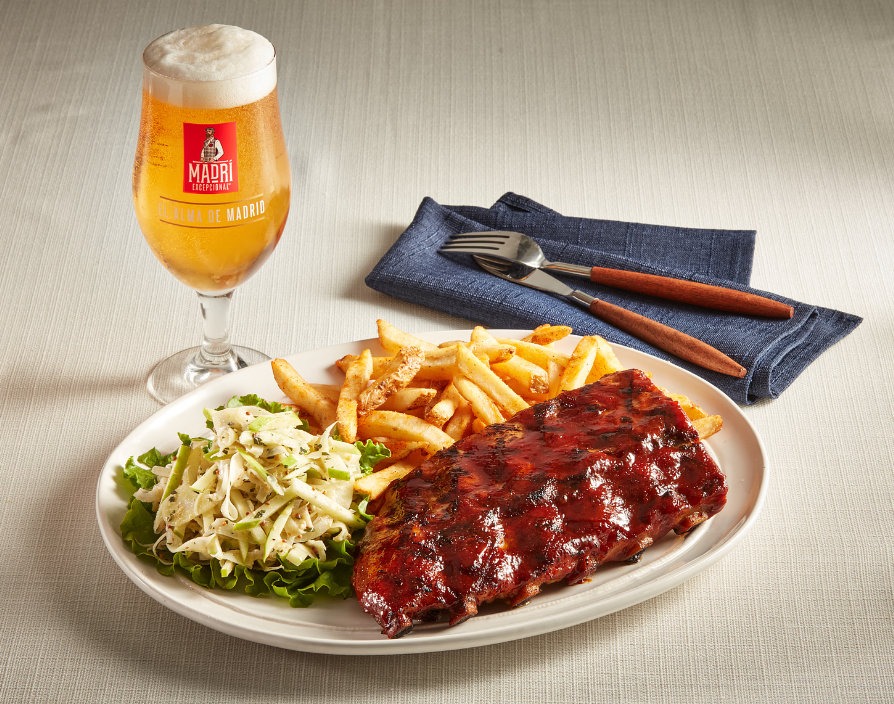
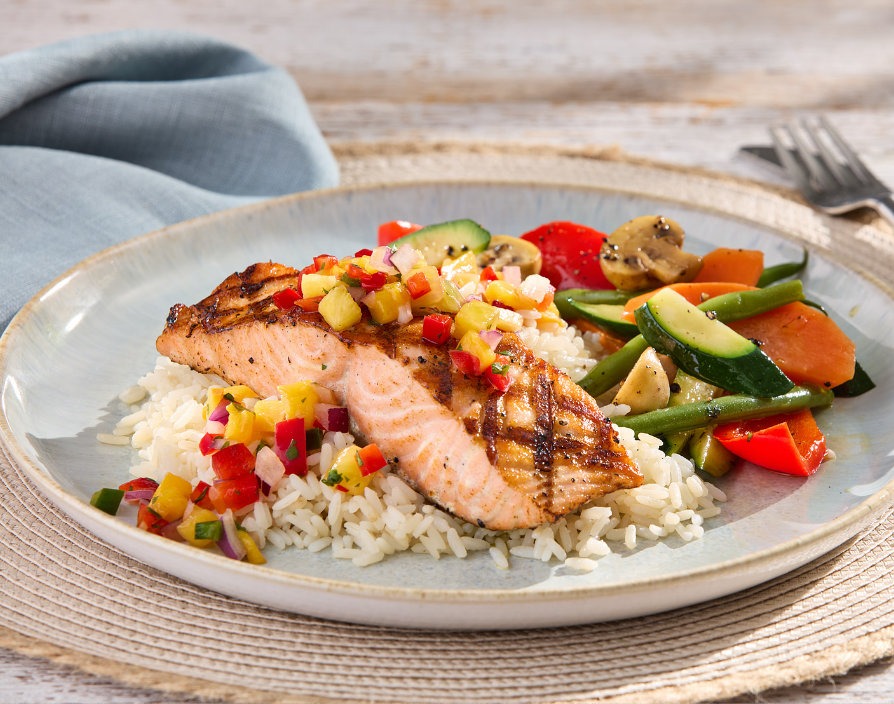
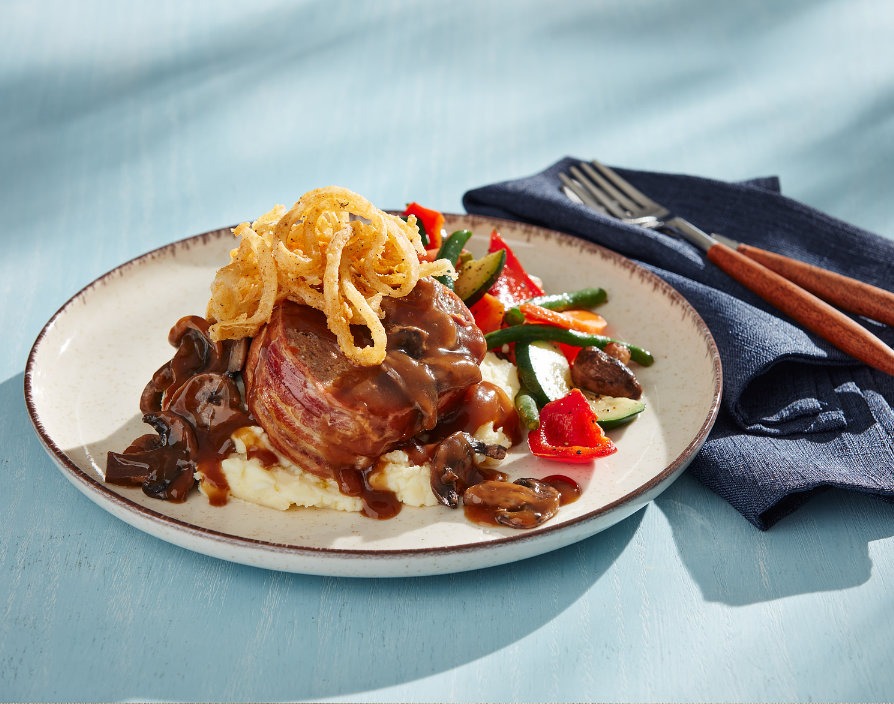
One of the biggest challenges in hospitality franchising is managing complexity. Menus become overextended, operations become difficult to execute, and consistency begins to erode. Turtle Jack’s has taken a different approach, focusing on “uncomplicated quality” — a menu and operating model that prioritizes freshness, familiarity, and ease of execution. This simplicity is deliberate. It allows teams to focus on what matters most: delivering a great guest experience. It also supports stronger unit economics by reducing waste, improving throughput, and making training more efficient.
From a franchise perspective, this creates a model that is both scalable and sustainable. New locations can be brought online with greater confidence in their ability to perform, and existing operators have a clearer path to maintaining standards over time. Growth, as a result, is approached with intention. Rather than pursuing rapid expansion, Turtle Jack’s is focused on partnering with franchisees who understand the value of experience-led hospitality and are committed to executing it at a high level. The objective is not simply to increase unit count, but to build a network of consistently strong operators who contribute to the overall strength of the brand. That approach reflects a broader shift happening within franchising. As the industry evolves, the most successful systems will be those that balance brand vision with operational discipline. Experience will continue to be a defining factor, but only for those who can deliver it reliably.
For prospective franchise partners, the opportunity lies in aligning with brands that have already done that work. Turtle Jack’s offers a model where the guest experience is not left to chance. It is built into the system, reinforced through culture, and directly connected to performance. For operators looking for a concept that prioritises both consistency and connection, it represents a compelling path forward in a competitive market.
This article comes courtesy of Turtle Jack’s, the cottage-inspired casual dining brand focused on delivering consistent, experience-led hospitality.