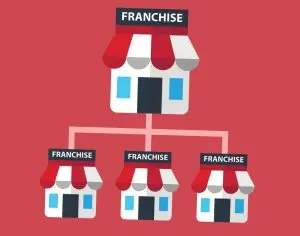

When most people think about a franchise interview, they picture spreadsheets. Startup costs. Territory maps. Business acumen. And yes, those conversations matter, but if that is where your discovery process begins and ends, you are missing the most important part of what makes a franchise work.
Skills can be taught. Values cannot.
I have been on both sides of the franchise relationship. As a franchisee for five years before stepping into the CEO role, I know what it feels like to be interviewed and vetted. And now, leading a national performing arts franchise for children, I know what it costs to get that process wrong. The franchisees who struggle are not usually the ones who did not understand the financials (although that matters). They are the ones whose values were never a fit to begin with.
What values based interviewing actually looks like
In a recent discovery interview with prospective franchisees, I asked them to describe a time they made a difference in the life of a child. It was not a trick question. It was the most important question I asked all day.
What I was listening for was not a polished answer. I was listening for instinct, whether their first response was about the person they were helping, or about themselves. One candidate described co‑creating solutions with a family when a challenge arose, inviting the parents into the process rather than managing the situation alone. That told me something their resume never could: this person leads with trust and compassion.
Later in that same conversation, we talked about what it means to create a space where people feel like they truly belong. The candidate did not need to think about it. They already knew. That is the kind of alignment you cannot train into someone after they sign on the dotted line.
Ask yourself: when you are interviewing candidates, are you listening for instinct, or just credentials?
The qualities that matter most are not sector specific
You do not have to be in children’s performing arts for this to apply to your franchise model. Whether you are in home services, food and beverage, health and wellness, or education, the franchisees who thrive over the long term tend to share a common set of traits.
They take ownership. When things go sideways, and in any business they will, high‑performing franchisees do not look for someone to blame. They look for a solution. They lead by example, especially when staff are watching. They show compassion, not just to the customers they serve, but to the people on their team. And they operate from a foundation of trust with their customers, with their staff, and with you as the franchisor.
None of these things appear in a credit check. You have to ask about them directly.
Think about your top‑performing franchisee right now. What values do they demonstrate consistently? And does your interview process actually screen for those?
How to build values into your process
Start by getting clear on your own values as a franchisor. Not the corporate version, the real version. What do you actually believe about how business should be done? What do you need from the people who carry your brand into their communities?
Once you know that, design your interview questions around scenarios, not hypotheticals. Instead of asking whether someone is a good communicator, ask them to describe a conflict with a staff member and walk you through how they handled it. Instead of asking if they are committed to the brand, ask them what drew them to this particular model over building something independently, and listen for whether their answer reflects genuine alignment with your mission or simply a preference for lower risk.
Values based interviewing also requires honesty about what you are not looking for. Being direct with candidates when you sense a misalignment protects both parties in the long run.
The long view
A franchise relationship is, at minimum, a five‑year commitment. In many cases, it is much longer. The franchisees you bring on today will shape your brand’s reputation in their communities, influence every customer interaction, and set the tone for how your network grows.
Here is the question worth sitting with: if values alignment is this important to long‑term success, why do so many franchise interviews spend the majority of their time on numbers alone?
The financials tell you whether someone can afford to join you. Values tell you whether they should.
Get both right and you will not just build a network, you will build a cast or a company worth performing with for years to come.
Key Takeaways
- Franchise interviews should focus on values, not just financials; values drive long-term success.
- Ask candidates scenario-based questions to reveal their instincts and alignment with your franchise’s mission.
- Top-performing franchisees share traits like ownership, compassion, and trust; these don’t show up on resumes.
- Clarify your own values as a franchisor to create a meaningful interview process that screens for alignment.
- Values alignment matters because it shapes your brand’s reputation and influences customer interactions over time.