The biggest investment you can make in your franchise business is one that is often overlooked – making sure you and your staff are fit and well. Fitness Solutions Plus argues that measurable investment in health and fitness is no longer a nice to have, it’s vital…
Health is wealth, healthy people are fond of reminding us these days. But as a business leader, how healthy are you and, perhaps more crucially, what about your staff?
While you are pondering ways to streamline processes and improve performance, are you overlooking the one obvious investment you could make to improve attendance, engagement and retention, that of your employees health and wellbeing?
Evidence-based fitness and measurable ROI are not buzzwords.
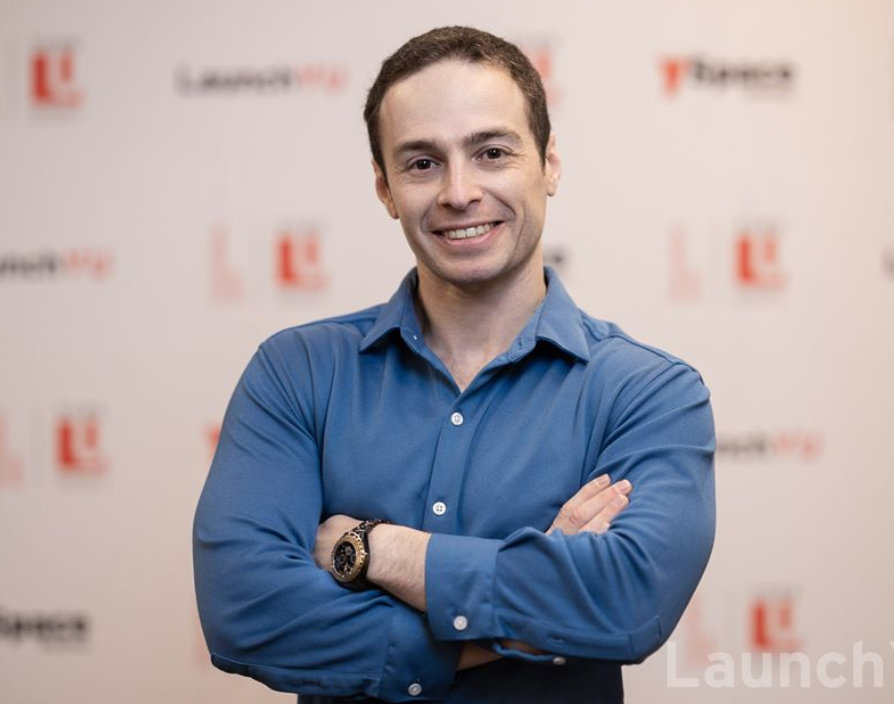
Founder of Fitness Solutions Plus, Igor Klibanov, argues that evidence-based fitness with a measurable ROI is a strategic tool for franchise performance, workforce resilience, and long-term network stability.
In the franchise world, where margins are tight and burnout is real, employee health is often treated as a perk rather than a must have. But Klibanov, sees that as the first mistake.
“Probably the biggest gap is just not addressing employee health, believing that health is something separate from their work,” he says.
“And largely it is. However, if it’s within a company’s business plan, they can start addressing it directly. Because a lot of companies believe that healthier employees make better employees, better retention, less absenteeism, fewer sick days, attraction and retention of top talent. The list goes on and on.”
For franchisors obsessed with KPIs, he believes the second mistake is even more fundamental.
“Another mistake is not connecting employee health to direct ROI for the business. In other words if you spend X amount of dollars on employee health, does that turn into any kind of profit or revenue directly or indirectly? Of course, it’s important to have a long enough timeline which is six to 12 months. That’s how long it takes to make good health outcomes and then for it to be reflected in actual financial statements.”
ROI is the language of franchise leadership. Klibanov understands that, which is why he frames exercise and metabolic health not as lifestyle upgrades but as performance infrastructure.
Exercise and resilience under pressure
Franchise systems are high-pressure ecosystems. Unit economics, staffing gaps, supplier issues. Leadership burnout is very real. And Klibanov has studied high performers closely.
“I wrote a book called The Fit Executive, where I interviewed 15 executives who exercise, take fitness very seriously, and I asked them all, why do you do it? You don’t have to exercise as much as you do. Many of them said, one reason is it gives them a lot of energy, if they take half an hour or hour out of their day for exercise they’re less tired, they’re more energetic, they make better decisions and they’re more resilient in high pressure situations. In other words, if you start your day with something very, very difficult physically, any business challenges tend to be less difficult. Voluntarily pushing yourself gives you extra resilience.”
It’s a great stress reliever and a way to reset as well. For franchise leaders juggling multiple locations and the organizational issues that go with that, maintaining a psychological edge is vital if they are to continue to bring the levels of energy required for consistent, long-term success.
Chronic health conditions and measurable results
When Klibanov talks about measurable outcomes, he is not referring to vague wellbeing surveys, he means commonplace conditions that can be relieved with a consistent level of activity.
“Probably the most measurable results are resolving any chronic health issues. Things like joint pain, osteoarthritis, insomnia, sleep apnea, diabetes, high blood pressure, those things tend to move the needle the most. Fortunately, they’re not that difficult to resolve. They just take a little bit of concentrated effort, and I emphasize ‘a little bit’. There are very simple approaches that don’t require a complete lifestyle overhaul. There are quite a few very easy ways that really move the needle without taking much time.”
He frames the intervention in three ways.
“Any problem can be approached from three perspectives as far as I can tell from my scope of practice, which is exercise, nutrition, and supplementation. Any one of those will move the needle. If somebody implements two or more of these, that’s even better. So that’s by far the biggest way to address measurable results. Just addressing chronic health conditions.”
Then comes progression.
“The next biggest way to address measurable health conditions is simply seeking progression in your exercise. In other words, an exercise routine should not be a static routine where you’re doing the same duration, same sets, same repetitions, same weight.”
Workplace wellness and what actually works
Corporate wellness often defaults to the visible and the easily achievable – walks, step counts, short-term challenges and so on.
Klibanov argues that when it comes to fitness and wellbeing it certainly isn’t a one-size-fits-all approach but the right approach is key.
“Often, what management hopes will move the needle are things like presentations as well as fitness challenges. So presentations about things like exercise, nutrition, mental health, etc. And while they may be entertaining and inspiring and staff give great feedback about it, it doesn’t really have any effects on actual behavior change, at least for the majority of people. There may be one or two people in the audience for whom it actually moves the needle but for the majority, it does nothing.”
Fitness challenges are equally ineffective, he says.
“They could be effective depending on how you structure them. Unfortunately, most of the time, the way they’re structured is ineffective. Like step counts. Get your 10,000 steps per day, climbing stairs, eat your vegetables, drink your water, stuff like that. Those tend to be ineffective in the long term because there’s a deadline. Once you reach the deadline, the challenge is over and people go back to the way they used to be.”
His point is not that these tools fail, but that execution matters.
“It’s not that presentations are ineffective. It’s the way that most presenters deliver their presentations that is ineffective for long-term behavior change. Same with fitness challenges. It’s that the way most fitness challenges are structured that makes them ineffective. There’s a way to do both properly and effectively.”
Five minutes a day and compliance first
For time-starved franchisees, perfection is the enemy.
“If all you do is actually five minutes per day, six days per week, you’ve accumulated half an hour of exercise in a week. And in an entire year, that’s 26 hours of exercise. That’s much better than doing nothing. All you have to think about is to just be slightly better than last time. If you do 10 push -ups or 10 squats on Monday, try for 11 on Tuesday.”
“The very simplest thing is not to seek the most optimal thing. If somebody is not exercising at all, the first goal is not optimization. The first goal is just compliance and consistency. Worry about just doing it, and only after you’ve been consistent for between two or three months, then worry about optimization, doing it right, research-backed methods, etc. But at first, just get it done. Eventually, do it right.”
Just do it? That could catch on as a slogan, y’know.
Health as a strategic business issue
For franchisors, bone density and metabolic health may sound like matters for a GP, but Klibanov insists they are commercial imperatives.
“Why should franchisors view these as strategic business issues rather than purely personal health concerns? For a bunch of different reasons, including things like absenteeism, morale, team building, insurance premiums, productivity, attraction and retention of top talent, etc.”
Healthier employees cost less to a company. Yes, you might spend some money on the work as well as programs, but money will be saved in things like insurance premiums, medications, on staff retention, and so on.
“Healthier staff are more productive staff. So the implications are far-reaching,” says Klibanov.
Proactively creating healthier, fitter staff, is also a budgeting decision, however, with many different type of fitness programs available.
“In my opinion, the best program is one-on-one personal training for each individual employee. Nothing beats that type of training in terms of results, accountability, individualization, etc. The downside of that is, of course, time and money. It’s the most expensive option, but potentially it also offers the highest ROI.
Measuring ROI over time
Leaders want evidence, of course, and Klibanov speaks their language.
“I find leaders really, really like numbers. So when you communicate evidence, you have to be very specific. For example, a study recruited this many people, divided them into two groups. Group number one did this. Group number two did that. And here’s the duration of the study. At the end of that study, here’s what happened in terms of specific numbers. This is how you communicate evidence-based methods, for somebody without a science background.”
Then comes the commercial filter.
“How many employees do you have and what kind of wellness program would fit your and their time and budget? That’s the best way to go and it’s just a one -time consultation fee and then they can figure out within the budget. Track the actual ROI because with a wellness program, if it’s a good program, the ROI will increase over time. If it’s a bad wellness program, however, the ROI will become negative over time. You spend more on the program than you get out of it. You want, of course, positive ROI. So it’s important to measure and give it an appropriate time of six months to one year.”
Whichever way you choose to invest in your own and your staff’s fitness and wellbeing, the evidence for its effect on productivity is well-documented. And, in a business model like franchising, which demands resilience, and brings plenty of pressure, fitness, strength and stamina are key.