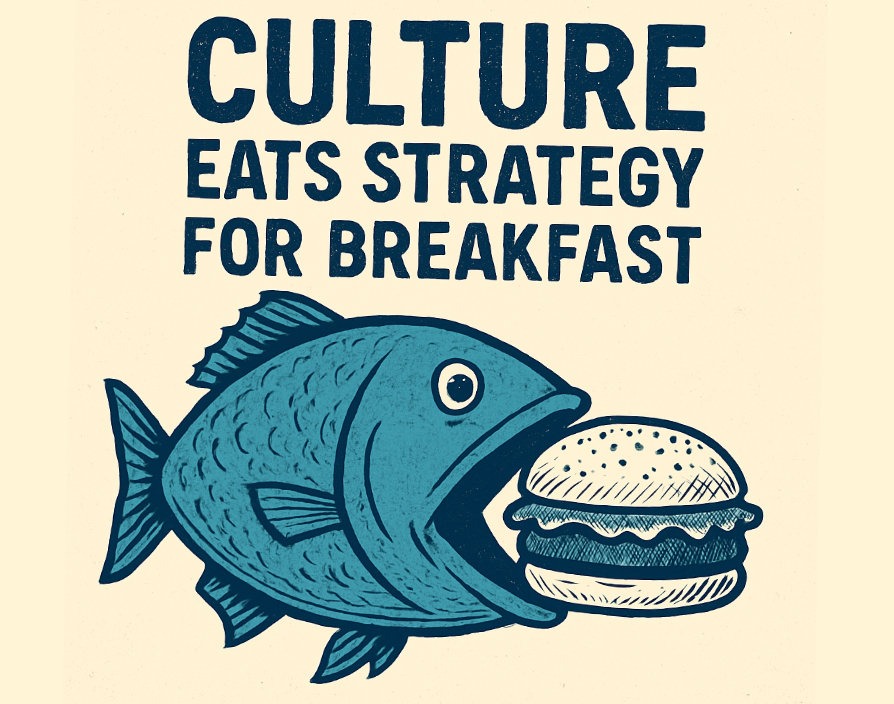
Peter Drucker’s famous line about culture eating strategy for breakfast has never been more relevant. And yet, if you walk into most franchise discussions today, you will hear far more about technology stacks and AI platforms than you will about the people running them. That is a problem. Because no tool, no matter how sophisticated, compensates for a disengaged franchisee or a demoralized team.
Here’s what I have observed after decades of working with franchise systems across North America: the brands that truly win do not separate culture from technology. They use AI to strengthen culture. They use it to motivate people, not manage them. And they are building franchise networks that are not just profitable but genuinely energizing to be part of.
That shift is happening right now. And if you are not thinking about it, you are leaving one of your biggest competitive advantages on the table.
Why culture is breaking down and why AI is part of the answer
Let’s be honest about something. Franchise culture is under pressure. High turnover, disengaged staff, franchisees who feel like cogs in a system rather than owners of a business. These are not new problems, but they are intensifying. The pandemic reshuffled the workforce. Rising costs compressed margins. And the pace of change has left many franchisees feeling reactive instead of in control.
At the same time, AI has arrived at exactly the wrong moment for culture. Or at least, that is how many leaders have handled it. Too many franchisors have introduced AI tools as efficiency plays without ever explaining why it matters to the people using them. The result? Franchisees feel surveilled rather than supported. Staff feel replaced rather than empowered. And culture, which was already fragile, takes another hit.
But here is what the forward-thinking brands are figuring out: when you deploy AI with culture as the goal, everything changes. AI becomes the tool that gives franchisees their time back. That personalizes training so new hires actually feel seen. That surfaces the data a franchise owner needs to make confident decisions instead of guessing. Used this way, AI does not erode culture. It rebuilds it.
Why this matters more than you think for franchise growth
Culture is not a soft topic. It is a revenue driver. A 2023 Gallup study found that highly engaged workplaces see 23% higher profitability and 81% less absenteeism than disengaged ones. In franchising, where the experience a customer has is determined almost entirely by the person serving them that day, engagement is everything.
Franchisee motivation is equally critical. A franchisee who feels supported, connected to a purpose, and equipped with the right tools will outperform one who feels isolated and overwhelmed. Every time. And when franchisees thrive, so does the brand. This is not opinion. This is the pattern I have seen play out across hundreds of franchise systems.
AI gives franchisors a genuine opportunity to close this gap at scale. Not by replacing the human connection that makes franchising work, but by removing the friction that chips away at it. When a franchisee spends less time on administrative tasks and more time leading their team, culture improves. When staff get faster answers and feel confident doing their jobs, motivation lifts. AI is the lever. Culture is the outcome.
What the best franchise systems are already doing
The franchise brands leading on culture right now are using AI in a few specific ways that go beyond efficiency. They are using it to personalize. They are using it to recognize. And they are using it to communicate.
Personalized learning is one of the biggest wins I have seen. AI-powered training platforms can now adapt to each employee’s pace and learning style, delivering the right content at the right moment. The effect on culture is immediate. New hires feel supported rather than thrown into the deep end. Managers can spend less time repeating basics and more time coaching and developing people. One quick service brand I worked with cut onboarding time by 30% and saw a measurable improvement in 90 day retention simply by making training feel personal instead of generic.
Recognition is another area where AI is making a quiet but significant difference. Platforms now exist that track performance milestones and prompt managers to acknowledge them. Something that sounds simple but happens far less often than it should in the daily chaos of running a location. When people feel seen, they stay. When they feel invisible, they leave.
And then there is communication. AI powered tools are helping franchisors stay connected to their networks in ways that feel personal, not corporate. Dashboards that flag when a franchisee is struggling, not with sales alone but with engagement metrics and training completion, give support teams the chance to reach out before a small problem becomes a departure.
Where franchise culture is headed and what you should do now
I believe the next wave of franchise growth will belong to brands that treat culture as a system, not a slogan. And AI will be central to that system. Not because it replaces human leadership. It never will, but because it gives human leaders better information, more time, and smarter tools to build the kind of teams that create exceptional customer experiences.
For franchisors, the priority is intention. Before rolling out the next AI platform, ask a simple question: does this make our franchisees feel more capable and more connected, or does it make them feel more monitored and more managed? That question will tell you everything about whether the tool serves your culture or undermines it.
For franchisees, the opportunity is ownership. The AI tools your brand provides are not just operational shortcuts. They are your edge. Use them to free up time for the conversations that matter: with your team, your customers, your community. Because in the end, that is what builds a business worth owning.
Culture and technology are not in conflict. In the best franchise systems, they are inseparable. AI picks up the operational tab so your people can focus on what no algorithm will ever replace: genuine human leadership.