
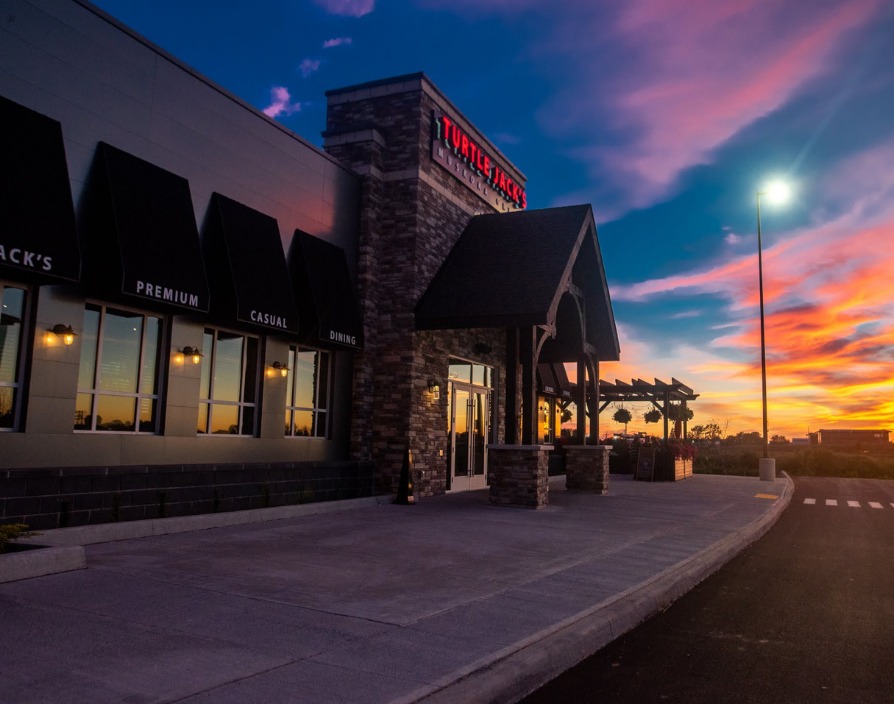
A recognizable brand can attract customers, but it won’t guarantee franchisee success.
Having spent much of my career working with franchise organizations, I’ve come to believe that the most important decision a prospective franchisee makes isn’t choosing the right brand—it’s choosing the right franchisor. While menus, logos, restaurant design, and growth stories often dominate the evaluation process, long-term success is far more dependent on the leadership, support, culture, and systems behind the brand.
A franchise isn’t simply a business investment; it’s a long-term partnership, and the quality of that partnership often determines the outcome.
Leadership matters
Every franchise system reflects its leadership. Understanding who is running the organization, what experience they bring, and whether they have a clear vision for the future should be a key part of any franchise evaluation.
Have they successfully grown businesses before? Do they understand operations? Are they making decisions with franchisees’ long-term success in mind?
Strong, stable leadership and strategic direction creates confidence across the system.
Look beyond the sales pitch
Many franchisors are highly effective at recruiting new franchisees. The real question is what happens once the ink dries on the agreement.
Ongoing support is often what separates strong franchise systems from struggling ones. Training, operational guidance, marketing support, technology, field coaching, and consistent communication all play an important role in helping franchisees succeed.
Throughout my career, I’ve seen that the greatest value in a franchise system isn’t created during the sales process—it’s created through the quality of support and partnership that follows.
The Franchisee-Franchisor relationship
The strongest franchise systems are built on trust, transparency, and mutual respect. Franchisees should feel like business partners, not customers.
When operators feel heard and valued, they’re more engaged, more collaborative, and more invested in the success of the brand.
One of the most valuable steps prospective franchisees can take is speaking with a variety of existing operators—those achieving exceptional results and those who have experienced challenges. The truth usually lies somewhere in the middle.
Focus on profitability, not just revenue
Strong sales numbers are exciting, but they rarely tell the whole story. What really matters is profitability.
Prospective franchisees should understand labour costs, occupancy costs, royalties, marketing contributions, and overall unit economics. A business can generate impressive revenue and still leave very little profit at the end of the day.
Healthy economics create healthy franchise relationships.
Competitive advantage matters
Markets evolve quickly in the restaurant industry. Successful franchise systems need more than brand recognition—they need a sustainable competitive advantage.
That advantage might come from a differentiated guest experience, operational excellence, marketing, technology, or real estate expertise. Whatever sets the brand apart, it should be meaningful, sustainable, and relevant to today’s consumer.
The strongest brands occupy a distinct position in consumers’ minds, communicate a clear identity, and consistently deliver on their promise. These brands are better positioned to attract new guests, build loyalty and withstand competitive pressure.
Pay attention to culture
Culture shows up everywhere. You can see it in how leadership communicates, how support teams interact with franchisees, and how existing operators talk about the organization.
The best franchise systems foster accountability, collaboration, continuous improvement, and shared success. Just as importantly, they demonstrate those values during difficult periods. Any organization can appear successful when business is strong, but culture is truly tested when challenges arise.
One of the things I’ve always appreciated is that the strongest brands are built through strong relationships. When leadership, support teams, and franchisees work toward a common goal, the entire system becomes stronger.
Growth should be responsible
Growth is important, but growth without discipline can create long-term challenges.
Prospective franchisees should understand how territories are awarded, how market development is planned, and whether the company is focused on long-term franchise success rather than simply selling more locations.
The strongest franchise systems balance expansion with profitability, recognizing that successful franchisees build stronger brands.
Financial stability matters
A financially stable organization is better positioned to invest in marketing, technology, innovation, training, and ongoing support. It also has greater capacity to navigate economic challenges while continuing to invest in the future of the brand.
The bottom line
Ultimately, brands attract attention, but franchisors build businesses. Logos, menus, and marketing campaigns may open the door, but it’s leadership, support, culture, and partnership that determine long-term success. For prospective franchisees, looking beyond the brand may be the most important investment decision they make.
At the end of the day, the most important question isn’t:
“Is this a great brand?”
It’s:
“Do I trust the people behind this brand to help me build a great business?”
In my experience, that answer will have a greater impact on long-term success than any menu item, advertising campaign, or brand recognition ever will.
This article comes courtesy of Turtle Jack’s Muskoka Grill, a leading restaurant chain specializing in cottage-inspired dining.