They usually imagine Saturdays full of singing, dancing, and acting — and of course, that part is very real, and very joyful. But the truth is, most of the work of running a Stagecoach business happens quietly, behind the scenes, long before the students arrive and long after they’ve gone home. It’s like theatre, there is a beehive of activity before, during and after the performance, in our case, Saturdays.
When you work with children, the responsibility is different. Families aren’t just choosing an activity; they’re placing trust in you. That trust doesn’t come from glossy marketing or full classes — it comes from knowing that the business is well run, safe, and thoughtful in the decisions it makes. And from knowing you, the Principal.
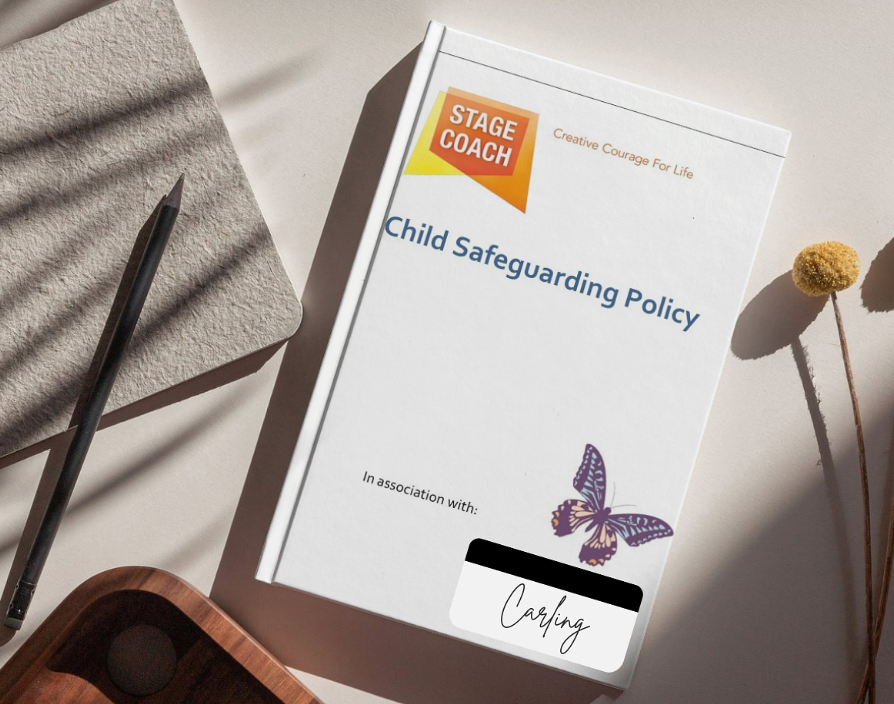
A significant amount of my time is spent on things no one ever sees. Health and safety policies. Safeguarding procedures. Risk assessments. Payroll, contracts, insurance, and WSIB. Incident reporting systems that you hope you never need to use — but must have in place. None of this is glamorous. None of it is exciting. But all of it matters.
This depth of care is actually a huge part of why I chose Stagecoach in the first place. I knew from my time as a teacher within the network, it was clear that the franchise placed real importance on the things that matter most — even when they aren’t the most visible or exciting parts of the business. The emphasis on safeguarding, structure, and responsibility wasn’t an afterthought; it was foundational.
I remember Kristi Wenaus, Stagecoach Canada’s CEO, describing it in a way that really stuck with me. She explained that as a franchisee, I am the train of my business. I’m the one driving it forward, making day-to-day decisions, building the community, and shaping how the school shows up locally. The Head Office, meanwhile, provides the track and finds the safest path for it — the systems, guidance, and frameworks that keep everything moving safely and in the right direction.
That analogy captured exactly what I was looking for. I like being creative within parameters. These systems are not red tape; they are protection. They protect the students in our care. They protect the teachers who work with us. And they protect the Stagecoach brand that I wanted to be a part of and that families recognise and trust.
Practically, these are also crucial decisions that I don’t have to make. When a parent asks a question about safety, or a teacher needs clarity around expectations, there is no scrambling for answers. The framework and guidance is already there. I can build my business at the pace I planned because of collective learning in the network. That peace of mind is invaluable, especially when you’re building something designed to last.
You’re not constantly reacting or worrying about what might have been overlooked. Instead, you can focus on supporting your team, communicating clearly with families, and thinking ahead to what comes next.
As a parent, having a lot of the infrastructure accounted for means I can concentrate on things that will propel my business, while also having the scheduling flexibility I needed to be present with my kids, which is everything I wanted.
Much of this work will never be visible to families watching their children perform, and that’s exactly how it should be. When systems are working properly, they fade into the background and allow the classroom experience to take centre stage.
For me, this is simply part of running a Stagecoach school well and safely. I value the ability to be creative within a framework that has been carefully built, because it allows me to focus on what really matters: delivering a high-quality experience, week in and week out.