As we move through our winter term, my focus has shifted to the part everyone will see: a show.
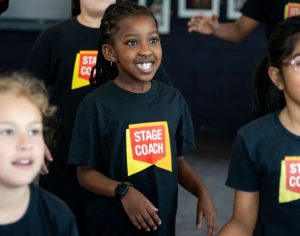
At Stagecoach, our focus is performing arts education that helps to build our students’ confidence. A large part of that journey is finally getting to put on a show. We are not in rehearsals until April, but the work has been going on behind the scenes for months, alongside the added responsibility of finding the right balance between what a show requires and what students need.
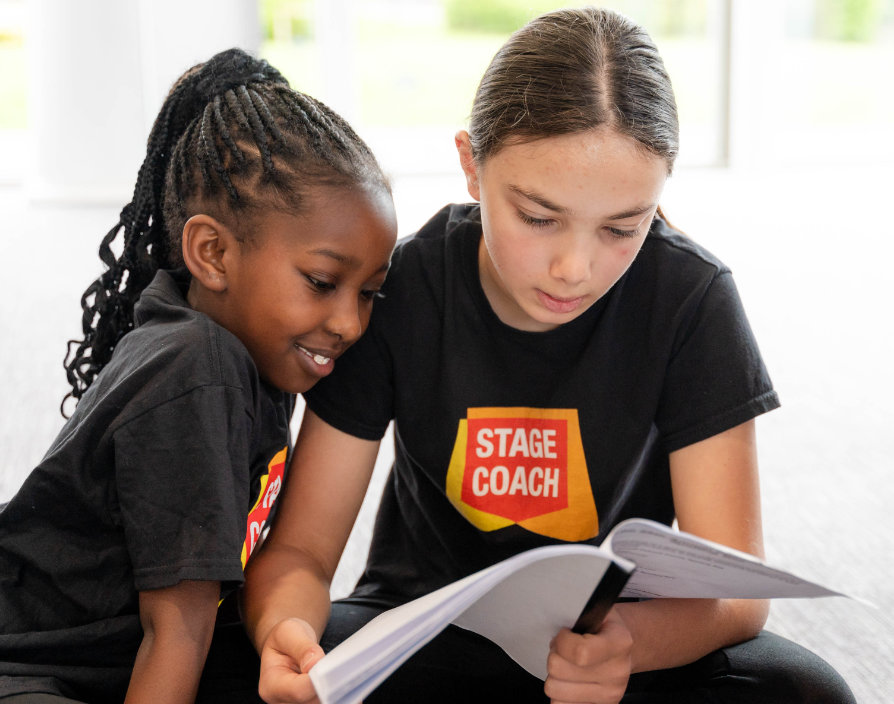
Final performance productions can be quite demanding. They require repetition, focus and commitment, with more practice at home and returning to the same material week after week to build confidence and consistency. Those expectations are familiar in theatre, but when you are working with children, they have to be applied thoughtfully.
One of the things I am grateful for as I step into this role is the experience I gained before becoming a Principal. As a teacher within the Stagecoach UK network, I had the opportunity to collaborate closely with my own Principals and to watch how they approached the challenge of mounting a full musical. There are lots of different ways to do it. We worked together to understand when to push, when to pause and how to hold high standards without compromising the student experience.
That perspective has shaped how I currently approach this stage of planning. The performance matters, but it is not the purpose. The process has to remain positive, age-appropriate and rooted in the confidence-building ethos at the heart of Stagecoach.
Planning the show means thinking like a producer early on. Reading the script repeatedly and asking practical questions. Where will repetition genuinely support learning? What level of commitment is realistic and healthy for this group? How do we create momentum without pressure? It is a huge and multi-faceted puzzle to put together.
Those questions are especially important when producing in a non-traditional space. Our performances typically take place in a church sanctuary rather than a purpose-built theatre. That brings its own challenges, including acoustics, sightlines, levels and the lack of a dedicated backstage area. However, it also brings a real sense of comfort and confidence for our young performers, who are able to work each week in the same space they will perform in. The environment encourages clarity, ensemble work and storytelling without relying on technical spectacle.
Part of my role is guiding my new teaching team through their first Stagecoach production. Sharing the bigger picture early helps teachers understand not just what we are working towards, but also what our priorities are and how much work needs to be front-loaded so rehearsal time is maximised. What the audience will eventually see is a polished performance. What they will not see is the care taken to ensure that polish is earned in a way that supports the students on stage.
The part everyone sees only works because of the thought and care invested long before any student touches a script or steps into the spotlight.