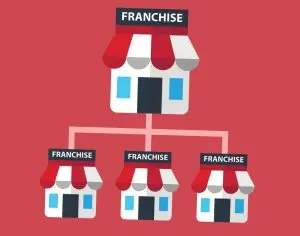

The excitement of a new franchise is all about the beginning. The grand opening, the first customer, the thrill of seeing your name on the door. All the energy and focus is on Day One. But the smartest people in franchising are already thinking about their last day. They are asking the most important question that separates savvy investors from overworked employees: are you buying yourself a job, or are you building a valuable asset that you can one day sell for a massive profit?
What is an exit strategy, anyway?
An exit strategy is simply your plan for how you will eventually leave the business. It is not about failure; it is about foresight. Will you sell to an outside buyer? Transfer the business to a family member? Sell your stake to a partner? Knowing your ultimate goal from the very beginning influences every decision you make, from the type of entity you form to how you structure your books. Without a plan, you risk creating a business that is impossible to leave.
Build a business that can survive without you
Here is the secret to creating a sellable asset: the business must be able to thrive without your constant, personal involvement. If you are the only one who knows how to handle key clients, manage the books, or fix the finicky equipment, you have not built a business; you have built a prison. A potential buyer wants to purchase a well-oiled, money-making machine, not your personal to-do list. Focus on creating solid systems, documenting processes, and empowering a great manager and team who can run the show.
What makes your franchise attractive to a buyer?
Years from now, a potential buyer will scrutinize your business with a cold, hard eye. What they will look for are signs of a healthy, stable operation. This means pristine financial records, a good lease with favourable renewal options, a stellar local reputation, well-maintained equipment, and a competent team that plans to stay on. These things do not happen by accident. They are the direct result of running your business from day one as if you were preparing it for sale tomorrow.
The franchisor’s role in your exit
Remember, you cannot just sell your franchise to the highest bidder on a whim. Your Franchise Agreement contains specific, and often strict, rules about the transfer process. The franchisor almost always has the right to approve the new buyer, and they will charge a significant “transfer fee” for the privilege of the sale. You need to understand these terms before you ever sign the initial agreement. A difficult or expensive exit clause can dramatically reduce the value of the asset you have worked so hard to build.
So, as you are dreaming about your grand opening, take a moment to dream about your grand closing, too. Building a business with the end in mind is the difference between buying yourself a high-stress job and investing in your future freedom. After all, nobody wants to be the star employee in a company of one, especially when you are also the boss who cannot figure out how to retire.
Key Takeaways
- An exit strategy is crucial for planning how to leave the business, ensuring that decisions align with your long-term goals.
- Build a business that can function independently, allowing it to thrive without your constant presence.
- Attract buyers by maintaining pristine financial records and a competent team, preparing the business as though it’s for sale.
- Understand your Franchise Agreement, as it contains rules about selling your franchise and transfer fees.
- Consider your exit as you start your franchise; it distinguishes between merely owning a job and creating a valuable asset.