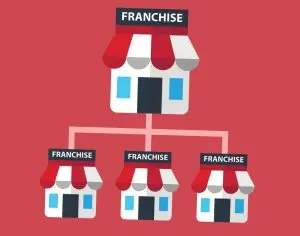

For many franchisors, reacquiring a franchised location can feel like taking a step backwards. In reality, it’s often a sign that a franchise system is evolving. Franchisees retire, run out of capital, lose interest, encounter local market challenges or simply decide they’re no longer the right operator for a particular location.
Handled poorly, a reacquisition can create litigation risk, disrupt operations and damage local brand reputation. Managed well, it can preserve customer goodwill, protect supplier relationships, stabilize employees and create a far more attractive opportunity for the next franchisee.
The most successful franchisors don’t view reacquisition as damage control. They see it as the first stage of a carefully planned resale strategy.
Why franchisors reacquire franchise units
Most franchise reacquisitions happen for practical business reasons rather than legal ones. A franchisor may step in to prevent a location from closing in a strategically important market, improve operations before selling the business to a stronger operator or negotiate an orderly exit instead of pursuing costly litigation.
Some franchisors temporarily operate the location as a company-owned unit, allowing them to test new products, refine operating procedures or create a training location for future franchisees. Others simply want to stabilize performance before bringing the business back to market.
Whatever the reason, the objective should be clear from the outset. Every decision made during the reacquisition should support the eventual outcome, whether that’s long-term corporate ownership or resale.
Treat the reacquisition like an acquisition
One of the biggest mistakes franchisors make is assuming they already know the business because it operates under their brand.
In reality, every reacquired location deserves the same level of due diligence as any third-party acquisition. Financial performance, lease obligations, equipment condition, supplier accounts, employee liabilities, permits and health and safety compliance should all be reviewed carefully.
Equally important is documenting the transaction properly.
Where a franchisee exits voluntarily, a purchase agreement, bill of sale and mutual release will often create a clean transition. Where the reacquisition follows default or termination, maintaining detailed records of notices, cure periods and communications becomes even more important.
This disciplined approach doesn’t simply reduce legal risk. It also creates confidence for future buyers.
Think about resale from day one
The real opportunity begins after the transaction closes.
A reacquired location gives the franchisor a rare opportunity to improve the business before offering it back to the market. That may involve updating signage, retraining employees, improving local marketing, strengthening management, resolving supplier issues or renegotiating lease terms.
Even a relatively short period of stable corporate operation can transform an underperforming location into a far more attractive franchise opportunity.
For prospective franchisees, buying an established business often carries less risk than opening from scratch. Existing customers, trained staff, operating history and established infrastructure can all reduce the time needed to reach profitability while strengthening confidence in the investment.
Don’t overlook compliance
Canadian franchisors expanding into the United States should also remember that reacquisitions have important compliance implications.
As a U.S. franchise lawyer who regularly advises Canadian franchise brands entering the American market, I frequently help clients understand how reacquired units affect future franchise sales.
A reacquired location that is later resold will often require updates to the franchisor’s Franchise Disclosure Document (FDD), including outlet disclosures in Item 20, financial performance representations in Item 19 and, in some jurisdictions, state registration filings before resale can occur.
Understanding these obligations early helps franchisors avoid unnecessary delays and ensures future franchise sales remain compliant.
Reacquisition is a growth strategy
Franchise reacquisitions shouldn’t be viewed as failures to be cleaned up.
When planned carefully, they protect markets, preserve brand reputation, support employees and suppliers and create stronger opportunities for future franchisees.
The franchisors that generate the greatest long-term value are those that treat every reacquisition as the beginning of the next successful franchise sale—not the end of the last one.
Key Takeaways
- Franchise reacquisitions often signal evolution, helping franchisors stabilize operations and improve brand reputation.
- Successful franchisors view reacquisition as a strategic opportunity rather than damage control.
- Franchisors should treat reacquisitions like acquisitions, conducting thorough due diligence and proper documentation.
- Post-reacquisition, franchisors can enhance value by improving operations and preparing the location for resale to future franchisees.
- Compliance is crucial, especially for Canadian franchisors in the U.S., requiring updates to Franchise Disclosure Documents before resale.