Walk into almost any franchise exhibition today and you will notice something fascinating. More professionals than ever before are looking beyond traditional employment and towards business ownership. Many are experienced executives, corporate leaders, professionals, and managers looking for greater control over their future. They compare brands, investment levels, and projected returns, but many overlook the two factors that will have the greatest impact on their long-term success: systems and support.
According to the Canadian Franchise Association, 78 per cent of Canadians are aware of franchising as a career option.
After decades of building businesses and mentoring entrepreneurs, I have become convinced that these are the two reasons people truly buy a franchise. Everything else simply supports those two pillars.
Systems: the foundation beneath every great franchise
Think of a franchise like a house. Nobody admires the concrete foundation, but without it the entire structure is compromised. Strong franchise systems are that foundation. They are the documented knowledge, proven processes, technology, training, operating procedures, marketing playbooks, financial disciplines, recruitment methods, customer experience standards, reporting, and leadership frameworks that have already been tested in the real world. Weak systems force franchise owners to invent solutions. Great systems allow them to execute with confidence. When evaluating a franchise, ask to see the actual systems, not just hear about them.
Ten questions every prospective franchisee should ask
- How are new franchisees prepared before launch?
- What systems exist for marketing, operations, finance and hiring?
- How often are systems updated?
- What technology supports the business?
- What happens if I encounter challenges after launch?
- Who is responsible for my ongoing success?
- What mentoring exists after my first year?
- How does the franchisor help me protect profitability?
- How are best practices shared across the network?
- What evidence shows these systems consistently produce results?
Launch busy, not empty
One of the biggest indicators of a quality franchisor is what happens before opening day. The objective should never be simply cutting a ribbon. The objective should be launching with momentum. The strongest franchisors work alongside new owners months before opening to generate awareness, create demand, establish referral relationships, implement marketing campaigns and, wherever possible, begin filling the order book before launch. Nothing builds confidence faster than opening with customers already booked.
Three financial disciplines every franchisor should teach
Revenue is the oxygen of every business. A franchisor should help owners generate revenue quickly, but that is only the beginning. Great systems also teach gross margin preservation. Winning work at poor margins is not sustainable. Franchise owners need to understand pricing discipline, cost control and the importance of protecting profitability. Finally comes cash preservation. New business owners often spend heavily during launch when preserving working capital would serve them better. Whether equipment should be leased instead of purchased, or investments staged rather than made all at once, experienced franchisors help owners keep cash available for growth and resilience. Revenue generation. Gross margin preservation. Cash preservation. Together these become the financial engine of a healthy franchise.
Support should grow, not fade
Too often the franchise relationship resembles dating. Before the agreement is signed, communication is constant and enthusiasm is high. Training is exciting, onboarding is energetic and everyone is focused on getting to launch. But after launch, some franchisees feel the relationship changes. Support becomes reactive. If they do not ask for help, little arrives. The best franchisors take the opposite approach. They recognise that launch is Day One, not the finish line. Support should evolve as the business matures, from operational coaching to leadership development, strategic planning, peer advisory groups and advanced mentoring.
A long-term partnership
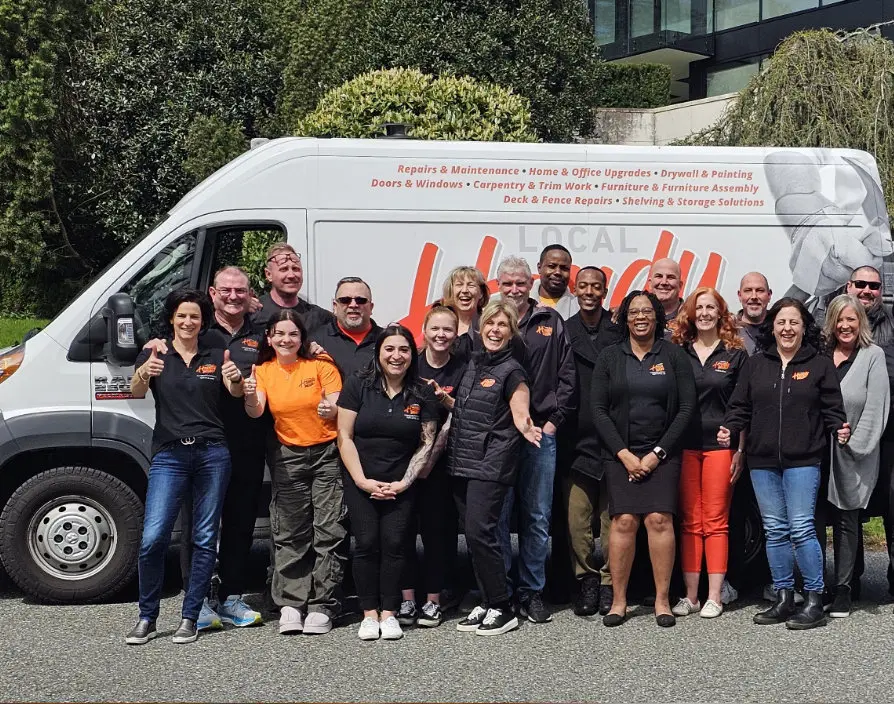
At Local Handyman we refer to franchisees as Success Partners because partnership better reflects the relationship we want to build. Our North Star is simple: ‘Your success is our success.’ Every major decision is measured against that standard.
Key Takeaways
- Many professionals seek business ownership over traditional employment, focusing on systems and support for long-term success.
- Strong systems serve as the foundation for great franchises, ensuring franchise owners execute with confidence.
- Franchisors should prepare new owners before launch by generating momentum and ensuring customer bookings.
- Ongoing support is crucial; it should evolve post-launch instead of fading away, providing coaching and mentoring.
- Great franchises emphasize a partnership with franchisees, aligning success with their own.