
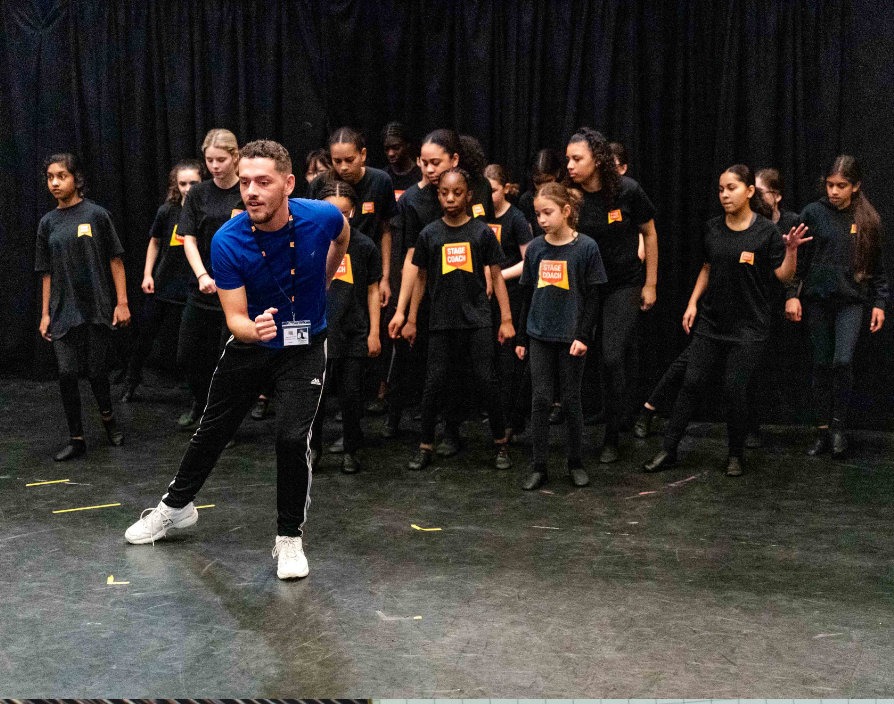
Students arrive, move between singing, dancing, and acting, and over a few hours something structured and enjoyable takes shape. Who is designing and delivering that experience is your team, with your guidance.
One of the major shifts in moving from teacher to Principal is that you’re no longer delivering the experience yourself. You’re leading other people to deliver it well, consistently, and in a way that fits both the Stagecoach framework and the culture you want your school to have.
I knew that shift was coming. I had spent over eight years teaching within the Stagecoach network before stepping into this role, so I had seen strong Principals in action and had a clear sense of what a good classroom experience looked like for students and for teachers.
What I appreciated most from my own Principals was clarity. Clear expectations. Clear support. Clear communication. It is considered time and thought, as well as following your gut/previous experience and consulting with other sources like our Head Office of other Principals.
Part of me misses the classroom as the main point of contact with students. It’s a performance of sorts, but also where students grow and develop from week to week and year to year. But the role now is different. Instead of guiding students directly, I’m guiding teachers and classroom assistants.
That is a different teaching dynamic altogether.
It means thinking carefully about communication not just what needs to be said, but who you’re saying it to, when they need to hear it, and where they are in their own development. Not every teacher needs the same kind of support, and not every classroom assistant will be ready for the same level of responsibility at the same time.
I’m fortunate to have a proactive team. They ask for clarification when they need it, they can pivot, and they don’t sit on a problem in silence which is exactly what you hope your hiring has achieved.
It also means recognizing the difference between what is essential and what is preference. Teachers are not clones of my own teaching style, nor should they be. But there does need to be consistency in the things that matter: how attention is managed, how behaviour is handled, how conflict is addressed, what pace of work is expected, and what can reasonably be achieved in a class. This is my school so I can and do integrate my preferences where I think it will make a difference. But I have worked with enough teachers to know that there can be multiple routes to the same destination.
Equally, I have to be mindful of ‘the curse of knowledge’. When you’ve worked in the network for a long time, some expectations can feel obvious. But they are only obvious because they were modelled, repeated, and reinforced over time. If I want something to be understood, I can’t assume it’s self-evident. Principals need to show their team what expectations look like in practice. In many ways, that is no different from what we ask of teachers with students.
Classroom observations are a key part of that. They help you see where expectations are already embedded, where something needs tightening, where they are smashing it out of the park and where a teacher or assistant might need more modelling or support. The aim is not to micromanage, but to stay present and engaged enough to know what your team needs from you.
If a school is running well, families won’t see most of this. They will simply see a calm, purposeful class and teachers who know how to lead it.
For anyone considering this role, this is a significant part of the work. You are not only setting the tone for students you are modelling and supporting the kind of experience you expect your team to deliver.