For years, we were taught that polished video won every time: perfect lighting, professional actors and big production budgets. This was a huge standard in the early 2000s.
In 2026, that’s no longer the case. Most marketing channels now favour authentic content, normal lighting, few edits and less graphic work. Look at TikTok and other social channels: the videos that go viral are the ones with the least production work.
Think about it. When a customer is choosing who will handle something personal, they aren’t looking for a perfect production. They’re looking for someone they can trust.
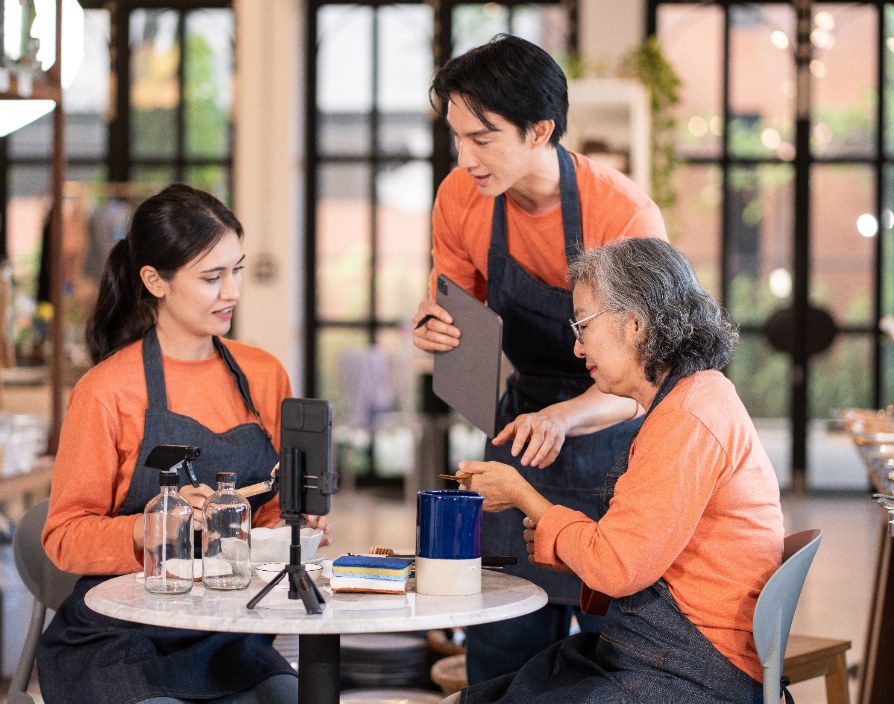
That works in favour of franchisees who can’t produce content like a professional but can shoot from their phone.
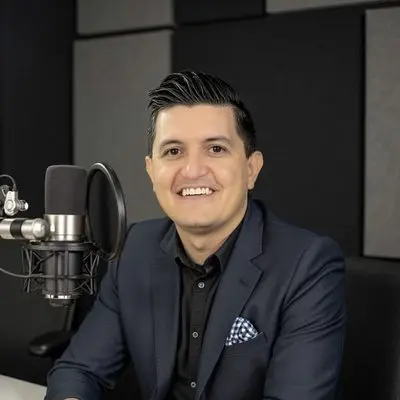
A video of the actual franchisee, standing in their own city and speaking plainly about what they do, carries credibility. Customers recognize the face, the accent and the neighbourhood. This is key because the owner becomes a local leader.
Now, there’s a catch.
Not every franchisee is comfortable in front of a camera. Pushing them only gets you potentially stiff, forgettable footage. That’s okay because, just like anything else, you can teach them.
That’s where the franchisor comes in. Host a seminar exclusively for franchisees, led by franchisees who already do it well. Let them share how they started, what scared them and what changed. Then show the proof: engagement numbers, inbound leads, reviews and referrals. When owners see that being recognized in their territory turns into trust, and trust into booked jobs, the nerves feel like a fair trade.
So how do you get owners filming on their phones without it looking amateur? Three simple systems.
Simple shot lists. Give every franchisee the same short checklist: a ten-second intro, a shot of the crew at work, a customer tip and a sign-off.
Lighting and audio rules. Grab an inexpensive clip-on mic. Shoot vertically at eye level, keep the phone steady and find a quiet spot.
A central edit. Owners film and the franchisor finishes the final edit. Send raw clips to a central team that trims, adds captions, brand colours and music, then sends back a polished video to the franchisee.
Remember that it’s up to the brand to set the guardrails. The franchisee is free to roam within the brand guidelines, but you want them to bring their personality.
Each owner who steps in front of the camera becomes the face of the brand in their community: the person neighbours name when a friend asks for a recommendation.
And that is the end goal: more business, built on a brand people in that market know by face. You have celebrities within your brand network. Your franchisees.
Key takeaways
- Local owner videos build trust because customers recognize the face, accent and neighbourhood.
- Franchisees can learn to feel more comfortable on camera through peer-led seminars and proof of results.
- Simple shot lists give franchisees a clear, repeatable filming plan.
- Basic lighting and audio guidance helps phone footage look and sound better.
- Central editing lets owners bring their personality to videos while keeping them aligned with brand guidelines.