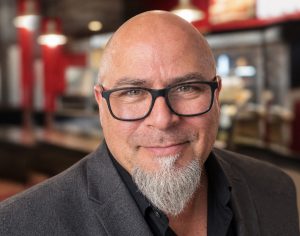
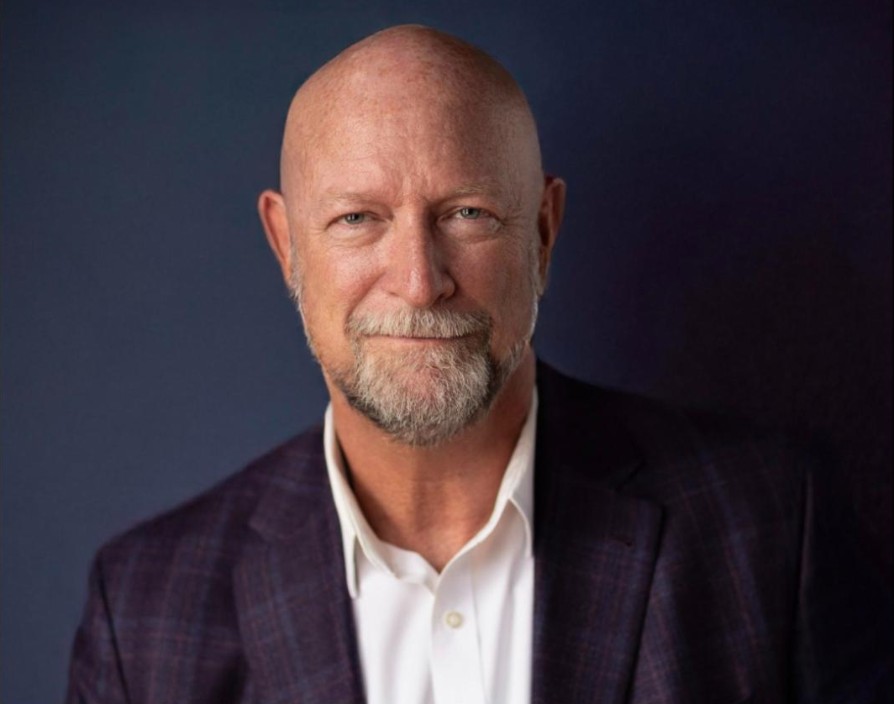
As Brand Leader at Turtle Jack’s, Peter Large is preparing the restaurant chain for its next phase of growth, with the emphasis on building a healthier franchise system rather than chasing a bigger number of outlets.
“Growth should never be the objective in itself. Sustainable growth is the objective,” he says.
New locations are only viable if the business can support them and the economics work for franchisees, while offering an experience that remains consistent for guests. But Large believes Turtle Jack’s has a strong base from which to make that move forward.
Expansion is not simply a matter of finding good sites either. It means increased investment in training and support, and a supply chain that can adjust to a larger network, while individual restaurants remain commercially viable.
“Operations must be consistent across the system,” says Large. “Our training and support infrastructure must be able to scale. Supply chain relationships need to be dependable, and unit economics must be attractive enough for both existing and future franchisees.”
A view from the other side
Large was a franchisee himself before moving into his brand leadership role. That experience gives him a view of the relationship from both sides of the table, and an understanding that the best-laid corporate plans will eventually come up against the realities of running a restaurant.
“Having spent 15 years as a franchisee before moving into brand leadership, I understand firsthand what keeps franchisees awake at night. When you’re operating restaurants, every decision eventually gets measured against labour, food costs, guest traffic, cash flow, and profitability. It’s easy at a corporate level to create initiatives that look good on paper, but franchisees must execute them every day and absorb the financial impact.”
It is the difference between a strategy that seems persuasive in a meeting and one that works in practice. The ultimate test is whether an initiative creates value for the people expected to deliver it – the franchisees.
“I approach decisions through the lens of partnership rather than compliance. Before we ask franchisees to invest in a new initiative, marketing program, or renovation, we need to be able to clearly articulate the value and expected return. My goal is to ensure franchisees feel heard, understood, and involved in the process, while still maintaining the consistency required to build a strong brand.”
Profitability comes before promotions
The same thought process informs how Turtle Jack’s approaches sales. Revenue may be an obvious measure, but we are often reminded revenue is “vanity” while profit is “sanity.”
“Revenue is important, but profitability creates long-term success,” agrees Large.
When it comes to promotions, the question is whether an offer brings in business that makes commercial sense. A busy restaurant is not necessarily a more profitable one if discounts weaken margins or devalue the brand.
“We ask whether they drive profitable traffic rather than simply increasing transaction counts. Aggressive discounting may create short-term sales spikes, but if it erodes margins or devalues the brand, it isn’t sustainable.”
Pricing has to work for guests and operators, too. Value cannot be separated from the ability to keep investing in the restaurant, and the people delivering the experience.
Nor is site selection a numbers game based on how many opportunities happen to be available. Every location needs to create long-term value for the franchisee and the brand.
“Opening a restaurant simply because space is available isn’t a growth strategy.”
Support that goes beyond the manual
Large argues that the franchise relationship is tested not by the existence of manuals and procedures, but by the support that sits around them. The basics are necessary, but they are not the whole job.
“Support begins with accessibility and trust.”
For Turtle Jack’s, that means maintaining dialogue and helping operators solve problems before they become more serious. It also means field support that develops capability rather than simply checking for compliance with the agreed system.
“For us, it means maintaining open communication, collaborating on solutions, listening to feedback, and helping franchisees navigate challenges before they become major issues,” says Large.
“It means field support that focuses on coaching rather than auditing. It means working together to improve profitability, guest satisfaction, and overall performance.”
The guiding principle is that a franchise system cannot be healthy if the relationship between the brand and the people running its restaurants is a one-way street.
“When franchisees succeed, the brand succeeds. That alignment drives everything we do.”
Keeping the cottage feeling
Turtle Jack’s also has an identity to preserve as it grows. Large is a big believer in keeping the character of the brand recognizable while allowing the restaurant and its offer to move with changing expectations.
“The essence of Turtle Jack’s has always been creating an atmosphere where guests can relax, connect, and enjoy great food and hospitality.
“We can evolve the restaurant design, menu, and guest experience, but the core personality of the brand must remain intact.”
The renovation program across 2026 and 2027 is intended to strike that balance. The work will include updated finishes, improved layouts, enhanced bar and dining spaces, modern lighting and design elements, alongside operational improvements for guests and team members.
“The key is evolution rather than reinvention. We want guests to walk into a renovated restaurant and immediately recognize Turtle Jack’s, while also feeling that the brand has moved forward in a thoughtful and relevant way.”
The details guests notice
For all the attention paid to strategy, menu decisions and expansion, Large’s first test of a restaurant is a human one. Before looking at the numbers, he considers the atmosphere and how people treat one another.
“The first thing I look at is the energy in the restaurant.”
How quickly guests are welcomed, how food moves from the kitchen, and whether service feels efficient without making people feel hurried all matter.
“Signs that something needs attention are usually visible quite quickly. Low energy, inconsistent hospitality, cleanliness issues, poor execution, or disengaged team members often indicate deeper operational challenges.”
The strongest operators, he says, combine attention to the numbers with attention to people. They manage labour and food costs, but also invest in culture and retention, recognizing that the guest experience depends on the team delivering it.
“Most importantly, they remain focused on value rather than price. Guests will continue to spend when they believe they’re receiving a great experience for what they’re paying. Operators who consistently deliver quality food, hospitality, and atmosphere are best positioned to protect margins over the long term.”
Large never measures success simply by how many restaurants the brand has added. Other numbers matter more.
“Five years from now, success would mean having a larger, healthier, and more profitable franchise system than we have today.”
He wants existing franchisees to expand, new partners to join because they believe in the opportunity, and guests to keep coming to Turtle Jack’s for the experience. He also wants growth that is visible in the strength of the relationships as much as in the brand’s footprint.
“If we can build a reputation as a brand where franchisees succeed, team members grow their careers, and guests consistently enjoy memorable experiences, then we’ll have achieved something far more meaningful than simply adding more restaurants.”
About Peter Large
With over 30 years of experience in hospitality and restaurants, Peter brings extensive expertise in franchise operations, brand development and guest experience. Before joining MTY, he spent 15 years as a franchisee, building a multi-restaurant portfolio generating over $20 million in annual sales. He also held senior leadership roles at Cara/Recipe Unlimited, overseeing regional operations and brand strategy. Passionate about people, teamwork and hospitality, Peter is focused on supporting franchise partners, strengthening operations and driving Turtle Jack’s continued growth.
Key takeaways
- Turtle Jack’s Brand Leader Peter Large says sustainable growth, not growth for its own sake, is the objective: new locations only make sense if the economics work for franchisees and the guest experience stays consistent.
- Fifteen years as a franchisee shapes his approach. Initiatives are judged through partnership rather than compliance, with the value and expected return made clear before franchisees are asked to invest.
- Profitability comes before promotions. Offers should drive profitable traffic, and aggressive discounting that erodes margins or devalues the brand isn’t sustainable.
- Support means accessibility, open communication and field support that focuses on coaching rather than auditing.
- The 2026–2027 renovation program aims for evolution rather than reinvention, updating restaurants while keeping the brand’s core personality intact.