
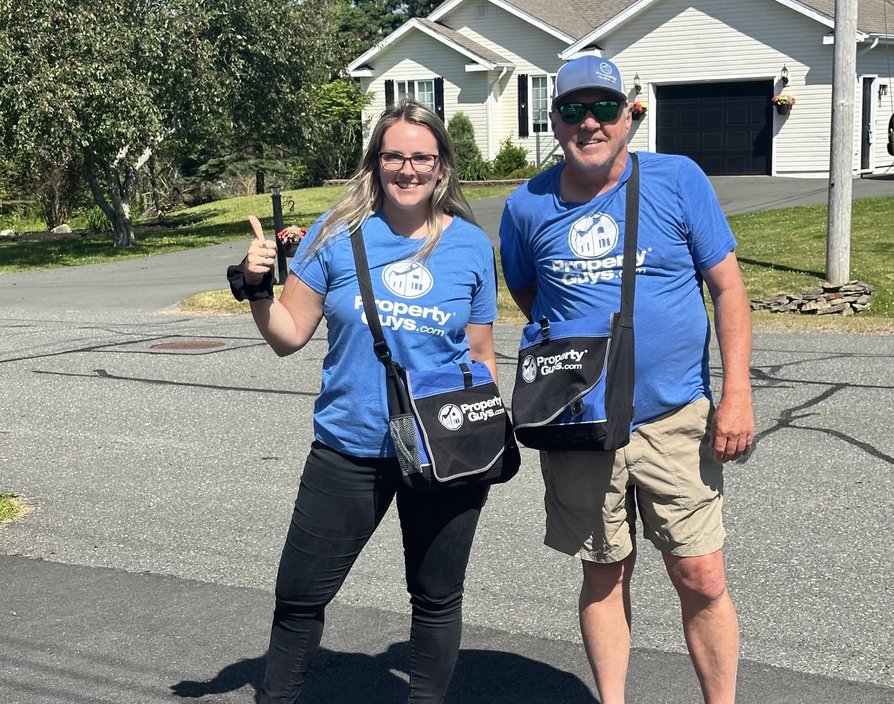
Some of our most successful franchises operate in smaller, highly localized territories – small towns and cities that many Canadians may never have heard of. Places like Truro, Nova Scotia; Tracadie, New Brunswick; or communities throughout East Kootenay, British Columbia.
At first glance, that can seem counterintuitive. In franchising, larger populations and bigger geographic footprints are often assumed to represent the bigger opportunity.
But over the years, we have learned that the size of a territory does not determine the size of the business that can be built inside it.
In fact, smaller markets can create the conditions for stronger relationships, deeper community recognition and greater brand penetration.
That learning has influenced not only how we think about territories, but how we are evolving our franchise model.
Most recently, it was one of the reasons we introduced a Flex Franchise option – giving entrepreneurs another way to build PropertyGuys.com at a much more localized level, with the ability to focus intensely on the communities they serve rather than feeling they need to control a massive geographic footprint.
Smaller markets become more personal
In a smaller, localized territory, relationships tend to deepen.
Reputation travels faster. Customers hear about businesses through neighbours, friends, local professionals and other trusted connections.
That creates an opportunity for a franchise owner to become far more than a service provider operating somewhere within a large territory. They can become a familiar local presence – someone people recognize, know and recommend.
When the geography is focused, community penetration becomes much more achievable.
Instead of trying to be a little bit visible everywhere, the franchisee can become very visible somewhere.
That distinction matters.
Localization can be more powerful than scale
For years, franchising has often equated opportunity with population.
How many people are in the territory?
How many households?
How large is the geographic area?
Those metrics matter. But they do not tell the entire story.
A territory with 500,000 people may look impressive on a map, but if the local operator has little recognition, limited relationships and minimal community presence, the business can still have very shallow penetration.
Compare that with a community of 75,000 where people regularly see the signs, recognize the vehicles, know someone who has used the service, see the team involved locally and hear the business mentioned by people they trust.
Which business really has the stronger market position?
Market size and market penetration are not the same thing.
And increasingly, we believe localization itself can be a competitive advantage.
Why we introduced Flex Franchise
That belief helped lead us to the creation of our Flex Franchise model.
We wanted to create another entry point into the PropertyGuys.com system that would allow an entrepreneur to think less about owning the biggest possible territory and more about making an impact in a specific local market.
Flex allows us to become more granular.
It gives us the ability to identify communities where we believe a strong local operator can build relationships, create visibility and establish meaningful brand presence without requiring the traditional approach of carving out an enormous exclusive geography.
For the entrepreneur, it creates an opportunity to concentrate their time, energy and resources.
For PropertyGuys.com, it allows us to put more local people closer to more local customers.
And for the community, it means the brand can feel less like a national company that happens to operate there and more like a local business that is genuinely part of the community.
That is an important distinction.
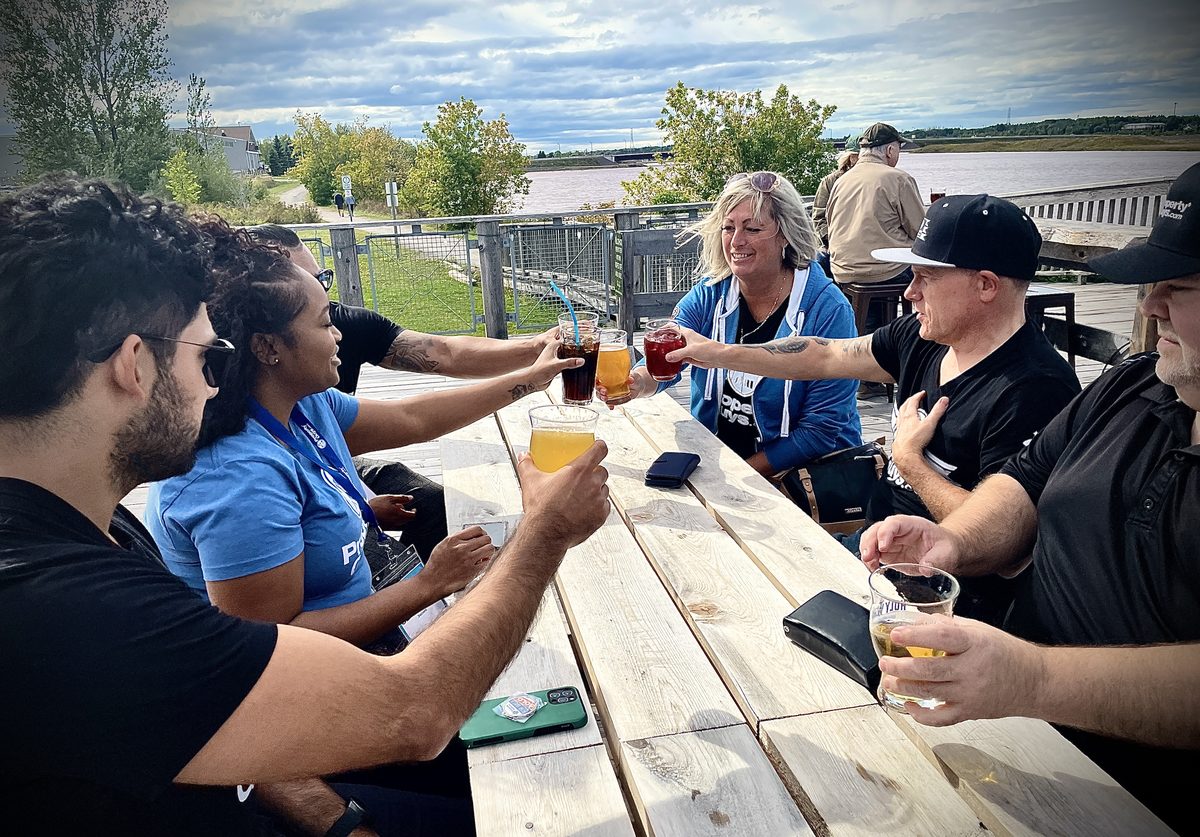
Real estate has always been a relationship business
Traditional real estate has always relied heavily on relationships.
Agents build centres of influence made up of family, friends, past clients, colleagues, neighbours and personal contacts. Those relationships generate referrals and, ultimately, transactions.
There is nothing wrong with that model. Relationships matter enormously in real estate.
But every personal network has limits.
An agent can only know so many people, and relying primarily on that existing network can put a ceiling on how quickly the business grows.
This is where we believe the franchise model creates an advantage.
The brand can create the introduction
At PropertyGuys.com, we talk about our unfair advantage.
Our franchisees do not have to depend exclusively on the people they already know.
The brand, marketing, systems, technology and services can introduce them to home sellers and buyers who may have had no previous relationship with the local franchise owner at all.
The brand creates the opportunity.
Then the local operator creates the relationship.
National marketing can create awareness. Technology can create an inquiry. Systems can help turn that inquiry into a conversation.
But from there, someone locally still has to earn the customer’s trust.
They have to listen.
They have to understand what that homeowner is trying to accomplish.
They have to communicate.
They have to deliver a great experience.
That is where localization becomes so powerful.
We can use the strength and reach of a national brand to create the introduction, while having a highly engaged local entrepreneur build the relationship.
Familiarity compounds
One of the advantages of a focused local market is repetition.
People see your signs.
They notice your vehicles.
A neighbour mentions you.
A past client shares a positive experience.
A local professional knows the franchisee.
Then they see the brand again.
Each interaction may seem small on its own, but familiarity compounds.
Over time, the business becomes part of the local landscape.
That is what we ultimately want our franchisees – including our Flex Franchise owners – to build.
Not simply territory coverage.
Community presence.
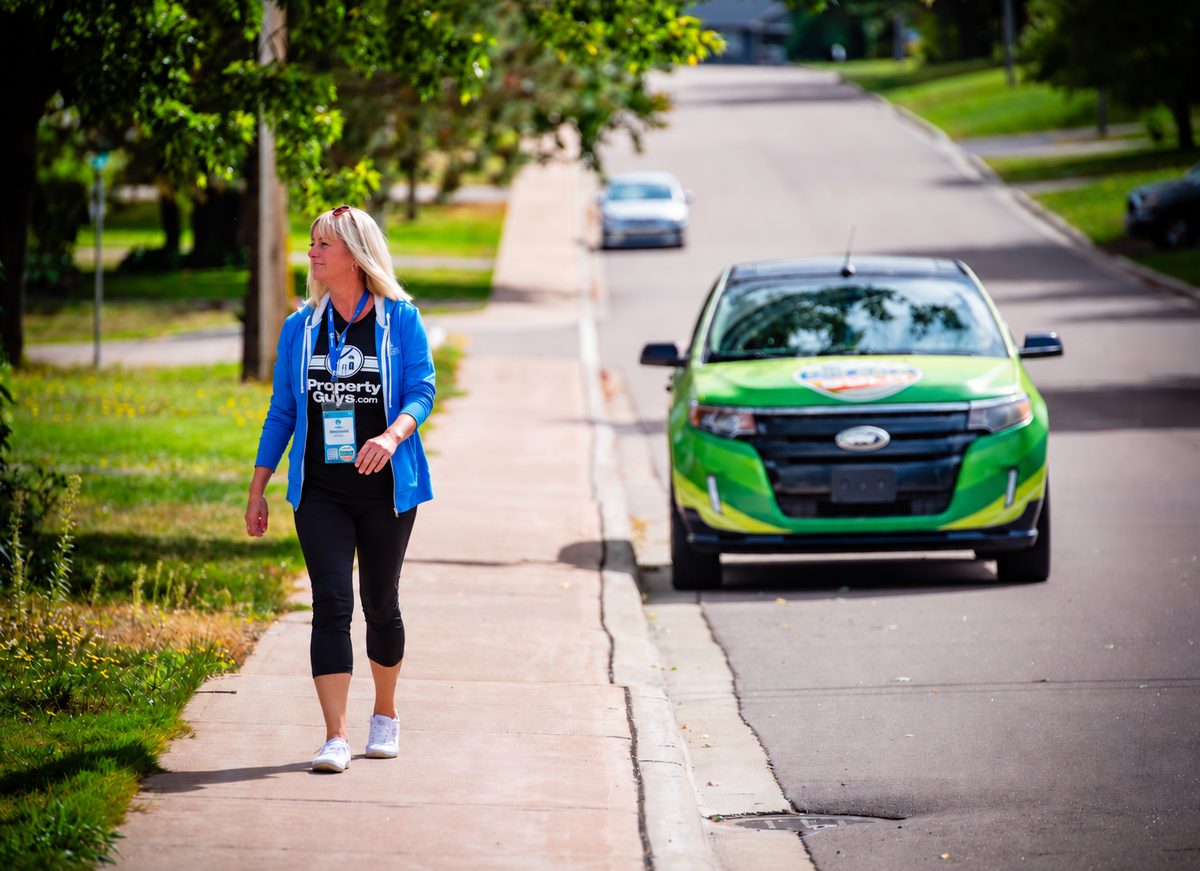
Reputation moves faster in smaller communities
Good work travels quickly in a local market.
One strong customer experience can influence the next opportunity, which can influence another one after that.
Every transaction has the potential to build local equity in the brand.
The franchisee’s reputation becomes connected to the company’s reputation, and the company’s reputation helps open more doors for the franchisee.
That cycle becomes increasingly powerful when the operator is focused enough geographically to keep reinforcing it.
Conversely, it can be much harder to create when a business is spread too thin across an oversized geography.
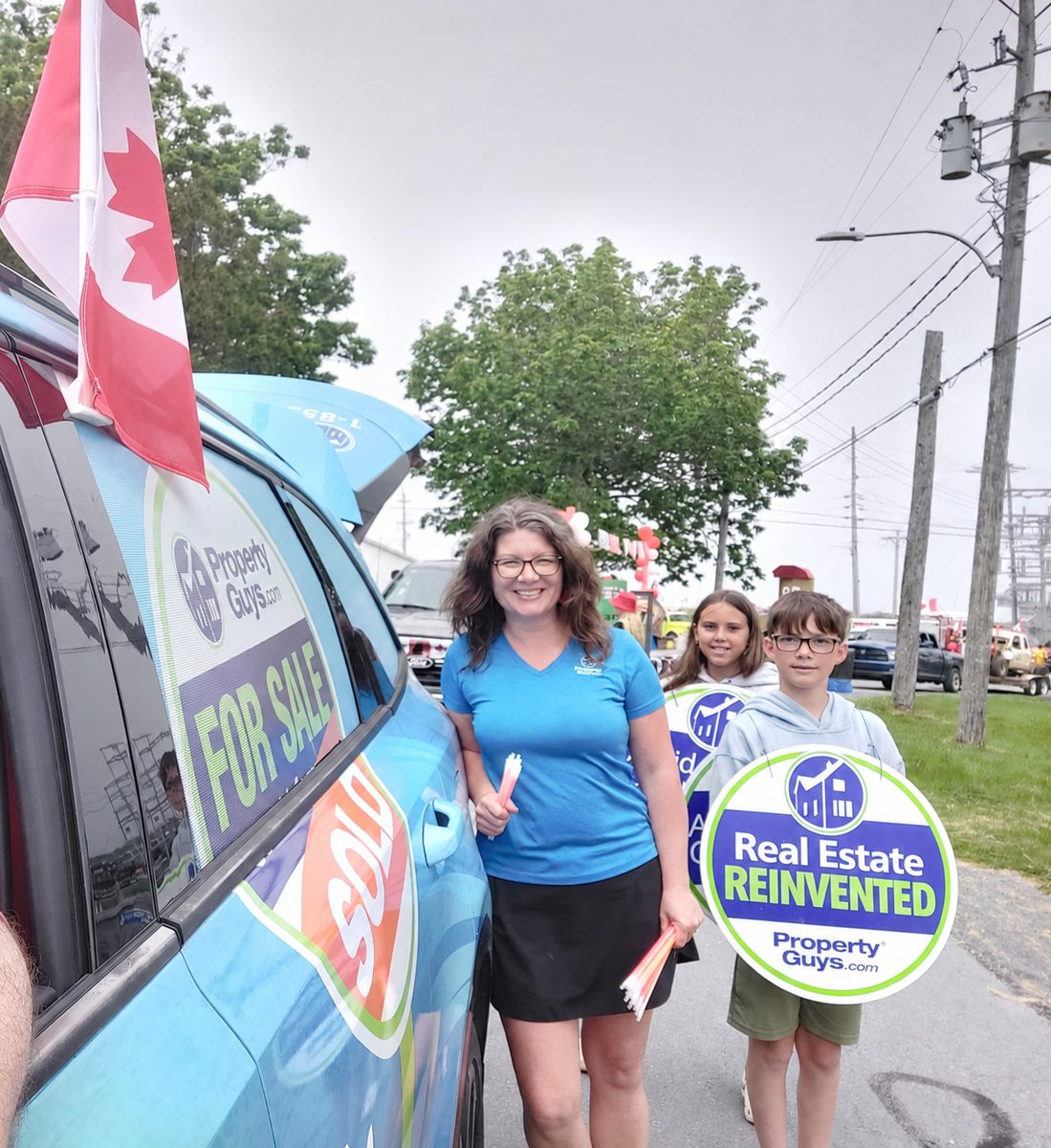
The goal is not to own the biggest map
I understand why entrepreneurs are attracted to large territories.
A bigger map feels like more upside.
More population feels like more potential customers.
But geography by itself does not create a successful franchise.
Execution does.
Relationships do.
Visibility does.
Reputation does.
A smaller territory can create focus. It can concentrate marketing. It can create repetition. It can make local involvement more practical and local recognition more realistic.
That is part of the thinking behind Flex Franchise.
We are increasingly asking a different question.
Instead of: How large a territory can we give someone?
We are asking: How deeply can this entrepreneur penetrate and positively impact this community?
Those are very different ways of thinking about franchise development.
Your territory is only potential
A franchise territory is not a business.
It is potential.
What ultimately matters is how deeply the franchisee becomes embedded in the community – how visible the brand becomes, how many relationships are created, how often customers recommend the experience and how effectively the local team turns awareness into trust.
Our Flex Franchise model is another step in that direction.
It allows us to think smaller geographically while potentially thinking much bigger about local impact.
Because in the end, success is not about how many people live inside the lines on your franchise map.
It is about how many of them know who you are when they need you.
Key takeaways
- Market size and market penetration are not the same thing. A territory with 500,000 people where the operator has little recognition can underperform a community of 75,000 where the franchisee is deeply embedded and highly visible.
- Familiarity compounds in smaller markets: signs, vehicles, word of mouth and repeat interactions build over time until the business becomes part of the local landscape – something that is much harder to achieve when spread across an oversized geography.
- PropertyGuys.com’s Flex Franchise model was created to allow entrepreneurs to enter the system with a smaller, more focused territory, concentrating their time, energy and marketing resources to build genuine community presence.
- The PropertyGuys.com brand creates the introduction through national marketing, technology and systems – but the local franchisee still has to earn the customer’s trust, listen, communicate and deliver a great experience.
- A franchise territory is potential, not a business. What ultimately determines success is how deeply the franchisee becomes embedded in the community and how many people know who they are when they need them.