The tools are genuinely useful, and no serious operator should ignore them. But somewhere in the rush to automate everything automatable, the industry has started to overlook a quieter, equally powerful trend running in the opposite direction.
People are actively looking for more human contact, not less.
I was at an event in my community recently where people shared their common need for more human connection. Researchers have spent the last several years documenting a steady decline in what sociologists call “third places” — the cafes, community centres, and local shops where casual, unplanned human connection used to happen. As those spaces have thinned out, reported loneliness has climbed sharply enough that public health bodies now treat it as a genuine health issue, on par with more familiar risk factors. That’s a societal problem, but it’s also a market signal. When a basic human need goes unmet at scale, people start paying attention to whoever can meet it — and increasingly, that’s the businesses that double down on being a place, not just a transaction.
This is showing up most clearly with younger consumers, and it should reshape how the industry thinks about who the next generation of franchise buyers and customers actually are. The assumption used to be that younger, more digitally native shoppers would be the most comfortable with fully automated, faceless brand experiences. The data says the opposite. Recent research puts the share of Gen Z consumers who actively dislike AI-generated content at roughly half, and brand trust research shows this generation is meaningfully more likely than older consumers to lose trust in a brand once they realize its content, service, or product came from a machine rather than a person. A recent report from Rival Technologies indicates that 74% of Gen Z react negatively when they realize a brand’s marketing was made with AI, and only 8% react positively. The feeling turns into action. 72% have already punished a brand over AI marketing, from unfollowing and unsubscribing to complaining publicly and walking away from a purchase.
This is the generation that’s about to control the largest share of consumer spending in the economy, and they are telling us, clearly, what they don’t want.
What they do want is harder to automate, and that’s exactly the point. It’s specificity. It’s a product or an experience that couldn’t have come from anywhere else, made by someone they can actually talk to. You can see this in the boom around independent makers and artisans, in the backlash against AI-generated marketing imagery, and in the steady rise of demand for customization — not mass customization dressed up with a few options in a dropdown menu, but genuine one-off, made-for-you work. A generation raised on infinite, algorithmically generated content is developing a real hunger for things that are made just for them and by real people.
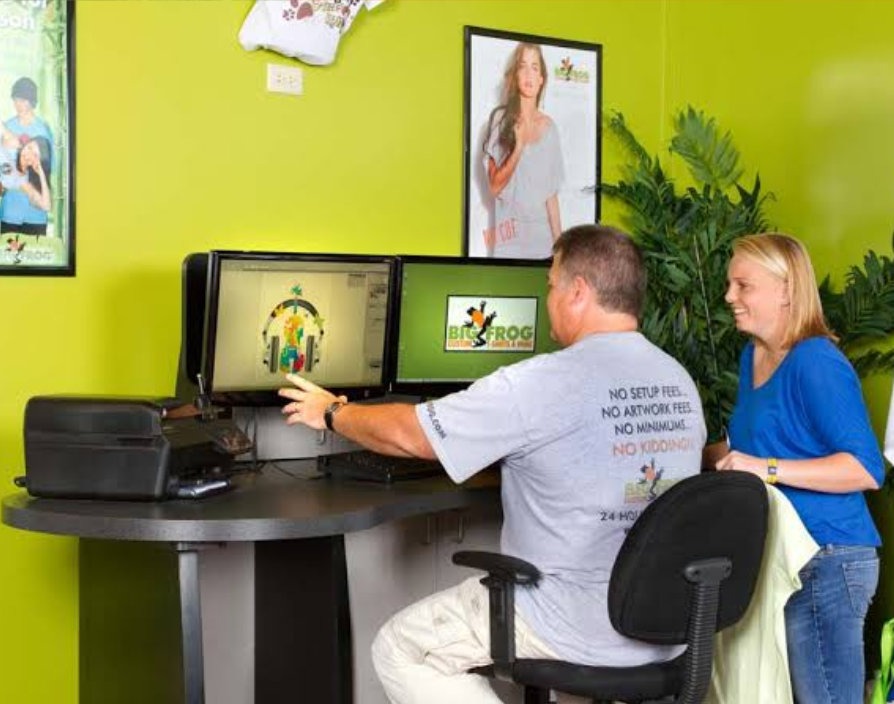
For franchising, this is where the automation conversation gets interesting. The brands best positioned for the next decade aren’t necessarily the ones that automate the most — they’re the ones that are disciplined about automating the back end (scheduling, inventory, reporting, the operational plumbing nobody sees) while deliberately protecting the front end, the parts of the business where a customer actually interacts with a person who knows their name, remembers their order, or helps them design something that’s theirs alone.
Efficiency and relationship aren’t in conflict when they’re applied to different halves of the business. They become a problem only when a franchisor lets the drive for efficiency creep into the parts of the customer experience that were never supposed to be efficient in the first place — they were supposed to be memorable.
This matters for anyone evaluating a franchise investment right now, not just for existing operators. A concept built around genuine human interaction and creative, customized output isn’t a nostalgia play or a bet against technology. It’s a bet on a documented, measurable shift in what people — especially the customers who will matter most for the next twenty years — actually want from the businesses they walk into.
The smartest use of AI in franchising right now might not be figuring out how to automate the customer relationship. It might be freeing up enough time and margin so a real person can keep having it.
This article comes courtesy of Natasha Maloney, Director of Franchise Development, Big Frog Custom T-Shirts & More