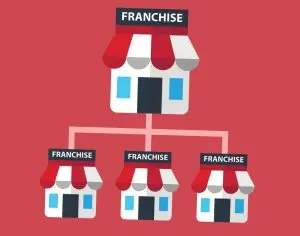

You’ve figured things out. Revenue is coming in. The chaos of opening has settled into something that resembles a rhythm. And then the thought creeps in: should I open another one?
Scaling from one unit to multiple sounds like the natural next step. More locations, more revenue, more leverage. And in many cases, it is the right move. But here’s what doesn’t get talked about enough… expanding too early can quietly undo everything you’ve built. Growth in franchising isn’t just about opportunity. It’s about timing, structure, and honestly assessing whether your first location is truly ready to be replicated.
A “good” first location isn’t enough
One of the biggest misconceptions is that if your first unit is doing well, you’re ready to scale. But “doing well” and “being scalable” are not the same thing.
Ask yourself:
Is the business profitable or just busy?
Are systems being followed consistently, or are you holding everything together personally?
Could someone else step in and run this location without everything slipping?
If your success depends heavily on you being there every day, you don’t have a scalable model yet, you have a job. Scaling works when your operation is predictable, not when it’s dependent on you.
You need people before you need a second location
Most franchisees think expansion starts with finding the next site. It doesn’t. It starts with building the right team. Before opening a second unit, you should already have:
- A strong manager (or someone ready to step into that role);
- Clear roles and responsibilities within your current team;
- Confidence that your existing location can run without constant oversight.
Without this, expansion doesn’t multiply your business, it multiplies your problems. The transition from one to multiple units is less about real estate and more about leadership. You’re no longer just running a business, you’re building a structure that can support more than one.
Cash flow matters more than excitement
It’s easy to get caught up in the momentum of growth, especially when franchisors are encouraging expansion or additional territories are available. But scaling requires more than enthusiasm, it requires financial stability. That includes:
- Strong consistent cash flow from your first location;
- Capital reserves (not just enough to open, but enough to operate comfortably);
- A clear understanding of how long it will take the second unit to stabilize.
Opening a second location will almost always stretch your resources more than expected. If your first location is still finding its footing financially, adding another layer of pressure is rarely the right move.
The right time to scale feels… less urgent
Ironically, the best time to expand usually doesn’t feel rushed. Franchisees who scale successfully tend to do so from a position of control, not urgency. They’re not chasing growth, they’re ready for it. You’ll notice things like: your systems are running smoothly without constant intervention, your team is reliable and accountable, and you have time to think strategically, not just react operationally.
If you feel stretched, overwhelmed, or still heavily involved in day-to-day firefighting, that’s usually a signal to wait. Growth should feel like a step forward, not like you’re barely holding things together.
Understand why you’re expanding
This might be the most overlooked piece. Why do you want another unit?
Is it: to increase income? To build long-term equity? Because your franchisor is encouraging it? Because it feels like the “next step”?
There’s no wrong answer, but there is a wrong reason. Expanding without clarity often leads to misalignment. More locations don’t automatically mean more freedom or better returns. In some cases, they mean more complexity, more responsibility, and less flexibility. The most successful multi-unit franchisees are intentional. They know exactly what they’re building toward.
When it does make sense to scale
Scaling from one to three units can be incredibly powerful when done at the right time. It makes sense when:
- Your first unit runs consistently without you
- You have a dependable team in place
- Your financial position allows for growth without strain
- You understand the operational demands of managing multiple locations
- You’re ready to shift from operator to leader
Because that’s the real transition here. You’re no longer just focused on one business. You’re overseeing a small network.
Growth should be built, not rushed
Franchising offers one of the clearest paths to multi-unit ownership. The model is designed for it. But just because you can expand doesn’t mean you should, at least not yet. The strongest franchise portfolios aren’t built quickly. They’re built intentionally, on top of systems that work, teams that perform, and foundations that can actually support growth.
If you get that part right, scaling becomes a natural next step. If you don’t, it becomes an expensive lesson.
Please note this is not legal advice. These are best practices based on years of hands-on experience in the franchise development space.