Franchising is becoming more digital by the day. Across sectors, owners are using technology to manage schedules, access training, communicate with head office, track performance and stay connected with their networks. For many franchise systems, that progress is essential. It creates consistency, improves speed and gives franchisees better tools to run their businesses.
But in people-first sectors, digital progress has to be judged differently. The question is not simply whether a franchise has the latest platform, app or online learning hub. The real question is whether those tools make the human connection stronger.
Here, Lisa Stead, chief executive of Stagecoach Performing Arts, explores why the most effective franchise networks are not just digitally enabled, but human-led.
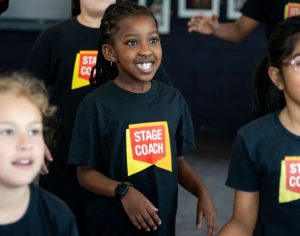
In performing arts education, the most important moments rarely happen on a screen. They happen in the classroom when a child finds the confidence to speak up. They happen in conversations with parents, when trust is built over time. They happen within teaching teams, when culture, encouragement and shared standards shape the experience families receive.
That is why technology has to play a very specific role. It should remove friction, not add to it. It should give franchisees more time to lead, not create another layer of admin. It should help people feel connected, informed and supported, not make them feel as though the business has become less personal.
For prospective franchisees, that distinction matters. A digitally advanced franchise is not necessarily the same as a digitally effective one. Some systems can look impressive from the outside, with multiple portals, automated processes and online tools, but still leave owners feeling isolated or overwhelmed. The strongest models are those where technology works quietly in the background, giving franchisees more freedom to focus on the human work that really drives the business.
That means asking practical questions. Does the technology simplify billing, scheduling and daily operations? Does it make support easier to access? Does it help owners share ideas and learn from one another? Does communication feel like an ongoing conversation or does contact from head office only happen when something needs fixing?
Those questions reveal a lot about the culture behind the system. In a strong franchise network, digital communication should not replace relationships. It should keep them active between meetings, training sessions and face-to-face conversations. It should make support feel closer, not more distant.
That is especially important as franchisees develop over time. Many people focus heavily on onboarding when assessing a franchise opportunity, but long-term support is just as important. In people-led industries, learning never really stops. Teaching approaches evolve, safeguarding expectations change and families’ needs continue to shift. Franchisees need access to development that fits around the reality of running a business.
Used well, digital tools can make that ongoing growth more accessible. Virtual learning, network apps and feedback channels can help franchisees continue building confidence and capability long after launch. The key is intention. Technology should be a launchpad for better leadership, not just a library of information.
At Stagecoach, that balance is central to how we think about support. Digital tools, including our new bespoke network app and ongoing franchisee support programs such as Act Two, are designed to deepen collaboration across the network. They are not there to replace face-to-face relationships. They are there to keep franchisees connected behind the scenes, so that conversations, learning and support continue beyond formal training days.
For our training and business development manager Rob Anderson, the real value of recent digital innovation lies in how it strengthens communication and collaboration across the network.
“Training and collaboration flow constantly now,” he said. “When we do meet up in person, the conversations carry on seamlessly because those digital touchpoints have already been working hard in the background.
“It means support, idea-sharing and development don’t just happen during occasional meetings or training days anymore – they’re part of the day-to-day culture. But the smartest digital tools don’t replace human relationships – they protect them.”
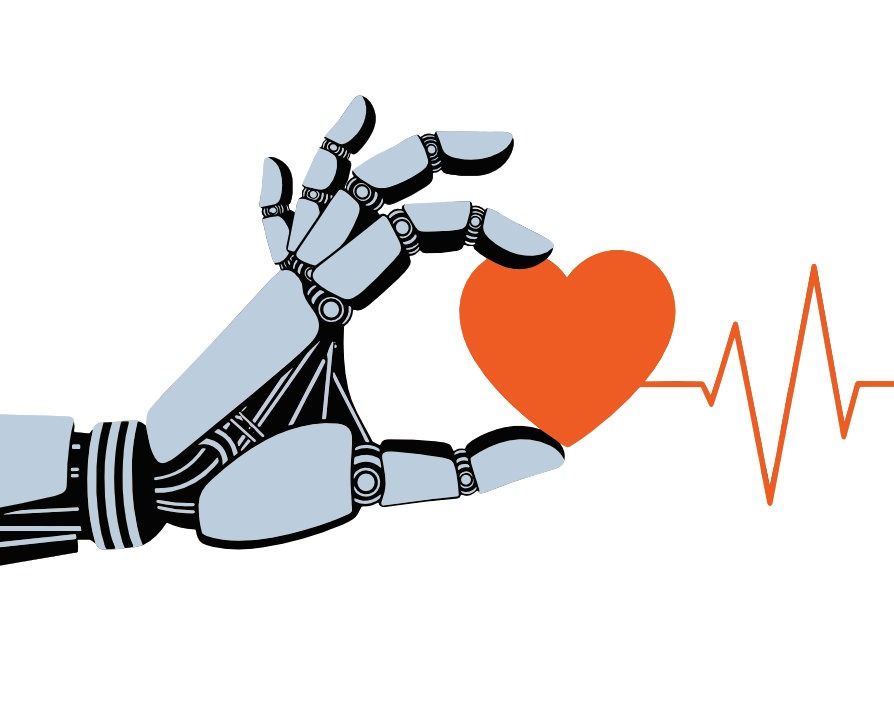
That final point is crucial. The most successful franchise networks will not be those that chase technology for technology’s sake. They will be those who understand what technology is for. In a children’s performing arts franchise, the aim is not to digitize the heart of the business. It is to protect the time, energy and communication that allow that heart to keep beating.
As Rob explains: “Our defining ethos is Creative Courage for Life. At its core, that’s entirely about people – their personal growth, confidence and creative problem solving. Digital tools are brilliant at supporting that mission, but they’ll never replace the human heart of what we do.”
That is the real benchmark for a people-first franchise in a digital world. Technology should make the network feel more connected, not less. It should make leadership more manageable, not more complicated. And it should help franchisees spend more of their time where the greatest impact happens: with their teams, their families and the young people they serve.
Ultimately, the future of franchising will not be human or digital. It will be both. The strongest networks will be those that use innovation with purpose, building systems that support growth while keeping relationships, creativity and community at the center.