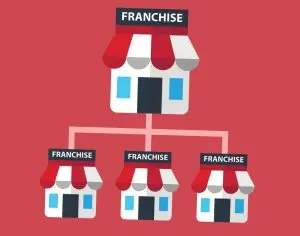

Asking the right questions is critical to help you find the insights and data you need to make informed decisions and ultimately take the first step.
Here are the essential questions and considerations that successful franchise buyers ask before signing on the dotted line.
Defining your strategy
Before exploring opportunities, conduct an honest self-evaluation to prevent costly misalignment between expectations and franchise realities. Consider:
- What are your business objectives and investment goals?
- Do you plan to be a full-time operator or absentee investor?
- Are you better suited for business-to-business (B2B) or business-to-consumer (B2C) operations?
- How many employees are you comfortable managing?
- Which industries align with your interests and expertise?
Understanding your preferred business model is crucial. This choice should leverage existing expertise while positioning you for growth.
Determining financial readiness
Beyond the initial franchise fee, successful franchisees need resources to sustain and grow their business. Many aspiring franchisees underestimate the total capital required, failing to account for extended ramp-up periods. Understanding your complete financial commitment is crucial for long-term success.
- Calculate total startup investment including equipment, inventory, and marketing costs.
- Secure 18-24 months of operating expenses plus emergency reserves. Don’t have this? Consider your relationship with your financial institution and have an open conversation with them about your proposed business.
- Factor in potential revenue delays during the business launch phase
- Consider financing options and their impact on cash flow
- Plan for multi-unit expansion if growth is your objective
Financial preparedness requires understanding how ongoing royalties, marketing contributions, and operational expenses impact profitability throughout the entire franchise term.
Evaluating the franchise system
A mature franchise system should offer comprehensive training and proven operational systems. Don’t assume bigger is always better—sometimes smaller franchises offer more personalized support and greater territory opportunities. Look for evidence of systematic operations, documented procedures, and a track record of franchisee success.
- Examine the franchisor’s operational history and market presence
- Evaluate training programs for comprehensiveness and practical application
- Review marketing support and brand development initiatives
- Assess field support quality and accessibility
- Analyze the franchise disclosure document for system performance metrics
Top franchise systems deliver proven operational frameworks, comprehensive training for real-world challenges, and ongoing support that adapts to changing market conditions.
Understanding your territory & market analysis
Your market opportunity and territory rights directly impact your potential for success. A protected territory safeguards your investment while providing room for expansion. Understanding both immediate and future opportunities helps evaluate long-term viability – how long your brand will be impactful and whether there is a growing market demand.
- How is territory determined and protected?
- What opportunities exist for multi-unit expansion?
- What is the competitive landscape in your target market?
- How does the franchisor stay current with industry trends?
Smart territory selection requires analyzing demographic trends, competitive density, and economic growth patterns where multiple success factors align.
Validating franchisee satisfaction
Existing franchisees offer the most practical insights into operating within the system. Their experiences reveal both challenges and opportunities you might not otherwise discover. These firsthand perspectives often provide the most reliable indicator of what your own journey might look like. Pay particular attention to franchisees who have been in the system for varying lengths of time.
- What has their experience been with the franchise system?
- Did financial projections match reality?
- How long did it take to reach break-even?
- What unexpected challenges did they face?
- How helpful has the franchisee community been?
Focus on franchisees operating 18 months to three years. They have survived the learning curve while maintaining a fresh perspective on startup challenges.
Analyzing performance metrics
A thorough financial validation helps assess both immediate viability and long-term potential. Success doesn’t just depend on top-line revenue, but on maintaining healthy margins and managing costs effectively.
- What is the historical return on investment?
- Can the business support hiring a manager at average revenue levels?
- What level of revenue is necessary to cover all costs?
- How much flexibility exists in pricing and cost management?
Financial success typically depends more on operational execution than choosing trendy concepts. The most profitable franchisees excel at cost management, customer retention, and systematic operations. Note: franchisors cannot make financial earnings claims. The best insights come from speaking directly to current franchisees during validation.
Aligning with culture fit
At the heart of any business is the people — you and potential employees. Work culture greatly impacts employee engagement, productivity, retention, and long-term sustainment and success.
- Does the franchisor’s mission and values align with your own?
- What is the communication style between franchisor and franchisees?
- How collaborative is the franchisee community?
- What role do franchisees play in system-wide decisions?
- How does the franchisor support franchisee growth?
Finding the right cultural fit isn’t just about feeling comfortable, it’s about joining a system where you can thrive, contribute meaningfully, and build the kind of workplace environment that attracts and retains top talent.
Planning for your exit
Understanding resale markets, transfer restrictions, and business valuation factors protects your investment from day one.
- What is your long-term exit strategy — sell the business or create a family legacy?
- What is the process for renewing your franchise agreement?
- What is the process for terminating your franchise agreement?
- Are there first-right-of-refusal clauses in the franchise agreement?
Consider your exit strategy before making your investment. Smart franchisees think beyond the startup phase to understand how their business will evolve over time.
Your franchise success roadmap
Thorough due diligence is a key determining factor in successful franchise ownership. The process requires weeks of careful analysis, but this time investment pays dividends throughout your ownership experience.
The perfect franchise opportunity should energize you about the business model while providing realistic pathways to your financial objectives. Success comes not from choosing the most popular franchise brand, but from finding the opportunity that perfectly aligns with your skills, market position, and vision for sustainable business growth.