Opening a first business can make an experienced professional feel like a beginner. Years spent teaching, managing people or working with customers can suddenly seem less relevant when the conversation turns to business plans and franchise agreements.
Those experiences deserve closer examination. For someone considering franchise ownership, the challenge is to recognise which strengths will transfer and where fresh learning is needed.
Here, Lisa Stead, CEO of Stagecoach Performing Arts, explores how a career change can bring together capabilities developed over many years.
Look beyond the job title
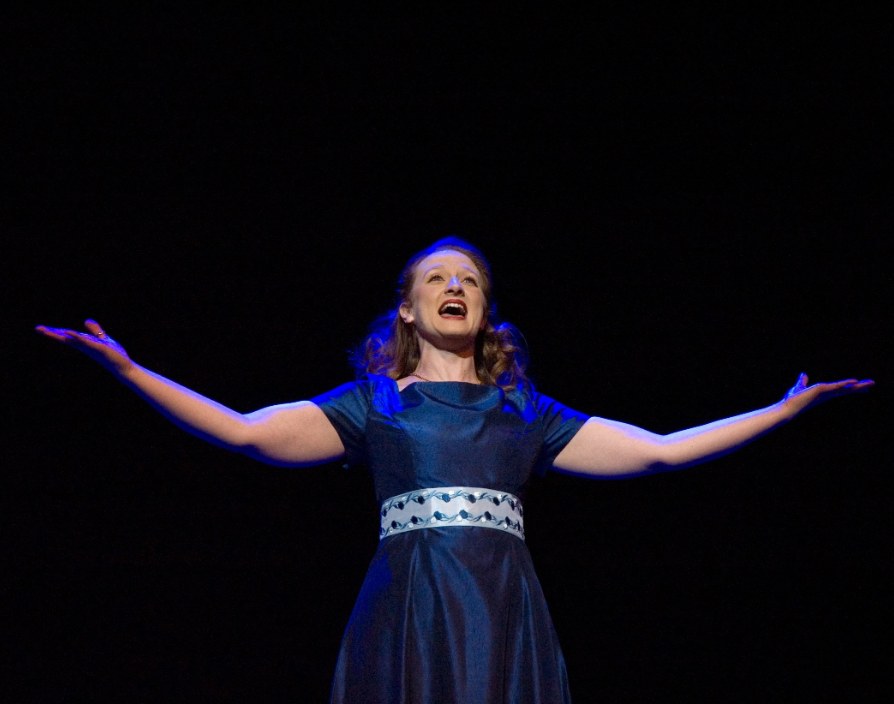
When Kerry Sampson returned to Australia after 22 years in London, she was making a significant change in both her family life and her career. The classically trained vocalist had balanced performing, education and raising a family before opening Stagecoach Performing Arts Norwood and Burnside in Adelaide.
Her background offered several foundations for ownership. Teaching had given her experience of helping children with different needs, while performing brought an understanding of the disciplines her school would deliver. Her next step required her to consider how those capabilities could work together in a business.
For prospective franchisees in Canada, that is a useful exercise regardless of their previous profession. A job title rarely captures everything someone has learned to do. Handling difficult conversations, organising competing priorities and helping others improve may all prove valuable when leading a team and serving customers.
The useful question is where those skills have been demonstrated in practice. Someone who has regularly resolved customer concerns has relevant experience to draw on, even if they have never been responsible for the business receiving that feedback.
Experience should guide the choice
Kerry had encountered Stagecoach while working in the UK, giving her an opportunity to see its approach before bringing it to her home community. What stayed with her was the change she observed in children over time.
“I saw timid, quiet kids who would barely speak up in class gradually become young people who were comfortable expressing themselves and speaking up,” she explained. That experience helped her identify the kind of business she wanted to build.
Choosing a franchise requires a similar level of attention to the work itself. Enjoying a product or supporting a brand’s purpose is a starting point, but prospective owners also need to understand the responsibilities they would take on each week.
Conversations with existing franchisees can help make those responsibilities concrete. Ask how they divide their time, which tasks took the most learning and what they wish they had understood before opening. Then compare those answers with both existing strengths and areas that need development.
Returning somewhere familiar still requires curiosity
Kerry’s move was a homecoming, but she did not assume that familiarity meant everything would feel the same. Returning after more than two decades meant getting to know Adelaide again.
“Coming home after more than 20 years away felt a bit like discovering Adelaide all over again,” she said. “It is such a connected, close-knit city. Launching Stagecoach has been a way of reconnecting with the community that shaped me, while bringing back everything I learned overseas to share with the next generation.”
That distinction matters for anyone opening a franchise in a new location or returning to a familiar one. An established brand provides a framework, while the owner still needs to understand the people around the business and earn their trust.
Kerry recruited specialist teachers from Adelaide’s performing arts community. Her school brought an international concept and local creative experience together, giving her a practical way to begin building those connections.
Recognise what still needs to be learned
Relevant experience provides a foundation, but ownership introduces responsibilities that may sit outside someone’s previous role. Being an accomplished practitioner does not automatically prepare a person to manage finances, recruit a team or market a business.
A thoughtful franchise decision makes room for those gaps. Prospective owners should examine the training and ongoing guidance available, ask how support works in practice and be honest about where they will need help.
Kerry’s story offers a useful perspective on a first business. A new owner can arrive with considerable experience and still have plenty to learn. Understanding both sides gives them a clearer basis for choosing their next step.
Key takeaways
- Professionals changing careers can underestimate what they bring to franchise ownership – handling difficult conversations, organising competing priorities and helping others improve may all prove valuable when leading a team and serving customers.
- A job title rarely captures everything someone has learned to do, so the useful exercise for a prospective franchisee is to identify where their skills have been demonstrated in practice.
- Kerry Sampson encountered Stagecoach while working in the UK, and seeing timid children gradually grow in confidence helped her identify the kind of business she wanted to build.
- Returning to a familiar place still requires curiosity – after more than 20 years away, Kerry had to get to know Adelaide again and recruited specialist teachers from its performing arts community.
- Relevant experience provides a foundation, but ownership introduces new responsibilities such as managing finances, recruiting a team and marketing a business, so prospective owners should examine the training and ongoing guidance available and be honest about where they will need help.