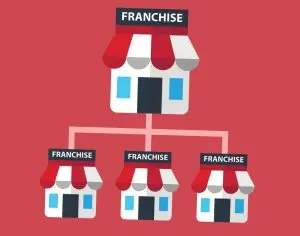

Now you’re ready to expand, but taking the leap into franchising isn’t simply “the next natural step.”
Beyond a transaction: building a franchise system that works
Too often, franchising is misunderstood or underprepared for. It’s not like relocating your business, investing in new equipment, or launching a website. Those are transactions. Franchising is a fundamental redesign of how your business operates.
Many companies first approach a franchise lawyer, but even the best legal frameworks are only one piece of the puzzle. The true groundwork, the architecture of your franchise system, needs to be developed before legal documents are finalized. That’s why seasoned lawyers often send clients to us first, we design the system that will become the backbone of your franchise brand.
Why architecture matters: turning potential into power
A properly architected franchise becomes your superpower. It gives franchisees a proven recipe for success, backed by your experience and team support, while avoiding the pitfalls that derail new businesses. For franchisors, it unlocks sustainable growth and brand strength.
But success requires more than just documents, it demands leadership and strategy. Making franchising your superpower means committing to:
- Clear communication and support protocols
- A training and development program that is second to none
- A dedicated operations team focused on franchisee success
- Strategic growth planning to attract, onboard, and retain the right franchise partners
Leading on two fronts
As a franchisor, you’ll lead two equally important groups:
- Your franchisees, your legal and practical partners who represent your brand on the ground.
- Your internal support team, responsible for vendor relationships, compliance, and ensuring franchisees thrive.
Your focus will shift to growing franchise locations, increasing revenue within existing sites, and building a strong pipeline of potential franchisees.
Key elements to get right from the start
When designing a franchise system, we work with clients to clarify critical details, including:
- Franchisee vs. franchisor roles, defining responsibilities clearly from day one.
- Territory protection or trade areas, expensive to correct later if not done right.
- Operationalizing culture, embedding your values when franchisees are self-employed.
- The business offering, identifying repeatable, profitable elements while streamlining or excluding the rest.
- Start-up and ongoing costs, essential for transparency, compliance, and sustainable growth.
- Communication and scaling protocols, ensuring efficient support that respects resources and franchisee needs.
These foundational steps prevent costly missteps and ensure your franchise grows profitably and sustainably.
The franchising journey: tough but rewarding
Franchising is exciting, inspiring, and fulfilling, but it’s also challenging. The role of franchisor is demanding but doesn’t have to be overwhelming. With a well-designed system, you can build a thriving franchise network that supports both your brand’s growth and your franchisees’ success.
Our advice? Work with experienced professionals early. It’s never too late to refine your franchise model, but doing the work before you start offering franchises will set you and your future partners up for far greater success.